Cycling Routes in Japan: Best Seasons, Bike Rentals & Navigation Apps
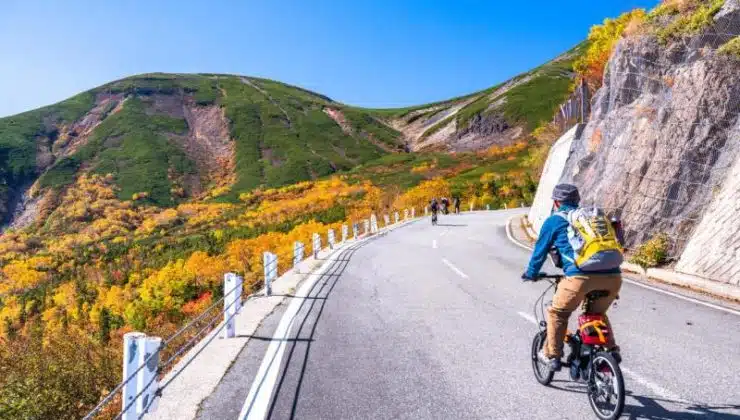
Japan’s scenic landscapes, well-maintained roads, and cycling-friendly culture make it a fantastic destination for casual and serious cyclists. From picturesque coastal roads to mountain trails and historic city streets, Japan offers diverse cycling experiences for all skill levels.
Whether cycling through Kyoto’s temple-dotted streets, the breathtaking Shimanami Kaido, or Hokkaido’s stunning countryside, having the right tools enhances the experience. A esim for Taiwan helps travelers access maps, book bike rentals, and navigate unfamiliar routes effortlessly, making every cycling trip smoother and stress-free.
Best Cycling Seasons in Japan
Japan’s four seasons offer unique cycling experiences, but some are better suited for biking than others.
- Spring (March-May) – One of the best times to cycle, thanks to mild temperatures and cherry blossom-lined streets. Popular cycling areas like Kyoto, Osaka, and Fukuoka have become picture-perfect with blooming Sakura trees.
- Summer (June-August) – While some areas, especially cities, can get hot and humid, northern regions like Hokkaido offer cooler temperatures, making them ideal for summer cycling.
- Autumn (September-November) – Arguably the best season for cycling, autumn brings cooler weather and breathtaking red and orange foliage. Top autumn cycling spots include Nikko, Mount Fuji’s five lakes, and Nara.
- Winter (December-February) – While cycling is challenging in snowy regions, urban areas like Tokyo, Osaka, and Okinawa remain bike-friendly with dry, clear conditions.
Top Scenic Cycling Routes in Japan
Japan has hundreds of cycling routes, but some stand out as must-visit experiences.
- Shimanami Kaido (Ehime & Hiroshima) – Japan’s most famous cycling route, featuring island-hopping bridges and ocean views.
- Lake Biwa Route (Shiga Prefecture) – A scenic loop around Japan’s largest freshwater lake, popular for its smooth roads and cultural landmarks.
- Kibi Plain Cycling Route (Okayama) – A peaceful countryside ride through rice fields, shrines, and ancient burial mounds.
- Noto Peninsula (Ishikawa Prefecture) – A lesser-known but rewarding coastal cycling adventure with dramatic cliffs and rural landscapes.
- Hokkaido’s Furano & Biei Route – Perfect for summer cycling, offering rolling hills and vibrant flower fields.
With aneSIM, cyclists can track route conditions in real time, book accommodations, and access emergency services during their rides.
Where to Rent Bikes in Japan?
Travelers don’t need to bring their bikes to Japan, as rental shops and bike-sharing services are widely available.
- Docomo Bike Share – Available in Tokyo, Yokohama, Osaka, and Hiroshima, offering convenient short-term rentals.
- Shimanami Rental Cycle – The best option for cyclists riding the Shimanami Kaido route.
- Kyoto Eco Trip – Provides traditional city and electric-assist bicycles for exploring Kyoto’s historic districts.
- Hello Cycling – A nationwide bike-sharing network accessible via mobile app, with docking stations in major cities.
Using an eSIM, travelers can locate rental stations, check availability, and make instant bookings without needing Wi-Fi.
Must-Have Navigation Apps for Cyclists
Japan’s well-planned cycling infrastructure is easy to navigate, but having the right GPS and route-planning apps makes the journey even better.
Best Cycling Apps for Japan
- Google Maps & Citymapper – Provide detailed cycling routes and real-time navigation.
- Komoot – Ideal for finding scenic and off-the-beaten-path cycling routes.
- Strava – Tracks distance, speed, and elevation, perfect for fitness-focused cyclists.
- Japan Official Travel App – Helps cyclists find rest stops, bike-friendly cafes, and repair stations.
An eSIM ensures cyclists stay connected to GPS navigation without interruptions, helping them easily explore Japan.
Do’s and Don’ts for Cycling in Japan
Do’s
- Follow Japan’s cycling laws—ride on designated bike lanes where available.
- Use front and rear lights when cycling at night.
- Park in designated bike areas to avoid fines.
- Check weather forecasts before long-distance rides.
- Use a Taiwan eSIM for live navigation and route updates.
Don’ts
- Avoid cycling on sidewalks unless there’s a marked bike path.
- Don’t block pedestrian crossings while waiting at traffic lights.
- Avoid riding with headphones, as it’s against Japanese traffic rules.
- Don’t park bikes illegally, as they may be impounded.
- Avoid relying on public Wi-Fi—use an eSIM for Taiwan to stay connected.
How a Taiwan eSIM Enhances the Cycling Experience?
A Taiwan eSIM provides cyclists with seamless connectivity, ensuring they can:
- Access GPS navigation apps without Wi-Fi interruptions
- Check live weather updates for optimal cycling conditions
- Book bike rentals and accommodations online
- Use translation apps for communication at rental shops and stops
Final Thoughts
Cycling in Japan offers an unforgettable way to explore the country’s natural beauty, cultural landmarks, and well-maintained cycling routes. With the right bike rentals, navigation apps, and seasonal planning, every ride becomes a smooth and enjoyable experience.
Using a Taiwan eSIM, cyclists can stay connected, access travel tools, and enjoy a stress-free adventure, making Japan one of the best destinations for biking enthusiasts. Whether you’re cruising through ancient cities or tackling mountain roads, Japan’s cycling culture is one of the best ways to experience the country firsthand.