
How Growing Businesses Can Simplify Payroll Without Replacing Their HR Software
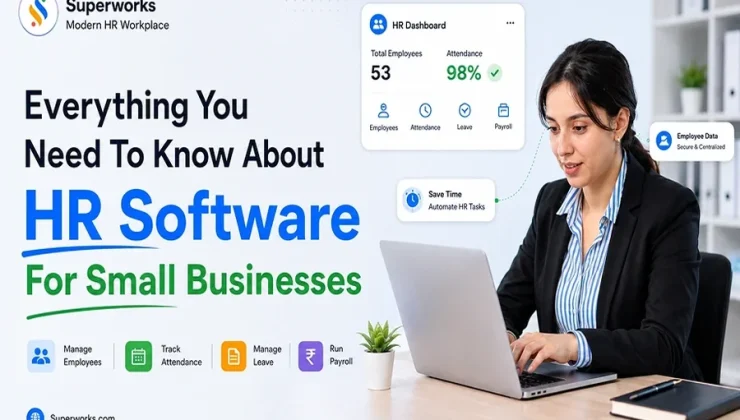
Hiring your first few employees is relatively straightforward from an administrative perspective. You know who works for you, their agreed salary and when they need to be paid. A few spreadsheets and a payroll system may be enough to keep everything organized.
Things become more complicated when your business starts expanding. Employees receive promotions, working hours change, new departments are introduced and different people become responsible for HR and payroll. Software that once worked perfectly well may now require considerably more manual input.
The obvious response might be to look for a new system. However, replacing existing software is not always necessary. Sometimes the real problem is how information moves between the tools your business already uses.
Recognizing when your business has outgrown its administrative processes
Growth does not affect every department at the same pace. Your HR team might introduce a dedicated employee management platform while your finance team continues using familiar payroll software. Both systems may work well independently, yet exchanging information between them becomes a recurring task.
Consider what happens when an employee receives a pay increase. HR updates the employee’s record, but someone still needs to communicate the new salary and its effective date to payroll. If that information arrives late, the employee’s next payment may be incorrect.
Now multiply that process across new hires, promotions, contract adjustments and employees leaving the company.
What was once an occasional administrative task can become a noticeable part of the working week. More importantly, nobody may have a complete picture of which changes have been processed and which are still waiting for attention.
Your existing software might not be the problem
Businesses often purchase software to solve specific departmental needs. An HR platform might provide excellent employee management features, while a separate payroll application is well suited to local payment and tax requirements.
Moving everything into a single system can involve considerable preparation. Historical records need to be transferred, employees require training and existing processes may need to be redesigned.
Before committing to such a change, look at whether your current applications can exchange information more efficiently.
Solutions that support Automated payroll processing by BrynQ can help businesses connect existing HR and payroll systems, automating the exchange of relevant employee information without necessarily replacing the applications already in use.
The aim is not to automate every decision. It is to reduce the administrative work involved in transferring information that has already been recorded and approved.
Start with the employee changes that happen most often
A business does not need to automate its entire personnel administration at once. The most useful starting point is often the information employees and managers update regularly.
Common examples include:
- new employee records and agreed start dates;
- salary increases and changes to contracted hours;
- department or cost center changes;
- employment end dates;
- updates to relevant personal information.
For each type of change, establish where the information should be entered first, who approves it and when payroll needs to receive it.
A salary increase, for instance, should include an effective date rather than simply replacing the previous salary figure. Without that date, even correctly transferred information could be applied to the wrong pay period.
These details are easier to resolve before introducing automated workflows than after an incorrect payment has been made.
Make it easier for employees to trust their payroll
Payroll errors are often discussed in terms of administrative costs, but their impact on employees deserves equal attention.
Imagine a recently promoted employee checking their payslip and discovering that their salary has not changed. They now need to contact their manager or HR department, explain the situation and wait for a correction.
Even if the underlying mistake is relatively simple, the employee may have personal financial commitments that make the delay particularly inconvenient.
Reliable information exchange can help reduce these situations. However, employees should still have a clear way to raise questions, and payroll teams need a process for reviewing exceptions before payments are finalized.
Automation works best when it supports accountability rather than replacing it.
Prepare your processes for the next stage of growth
A company with 30 employees faces different administrative challenges from one with 150. Opening another location, hiring internationally or introducing new employment arrangements can add further complexity.
Reviewing payroll workflows before these changes occur gives businesses time to identify weaknesses without the pressure of an approaching payment deadline.
Start by measuring how much time your team spends transferring employee information, correcting payroll records and investigating discrepancies. These observations provide a practical basis for deciding which processes are worth improving.
Growing a business will always bring new administrative responsibilities. But it does not have to mean replacing familiar software every time a department expands. By improving how existing systems communicate and ensuring that each important change has a clear owner, businesses can build payroll processes that remain manageable as their workforce grows.