What Soil Helps Plants Grow Their Best?
If you’ve ever struggled with a patchy lawn or underperforming plants, chances are the problem lies in the ground. No amount of watering or fertilizing will give you lush plants and a healthy lawn if your soil is compacted, doesn’t drain well or lacks organic material.
Knowing which type of soil to use will give your lawn and plants the best possible foundation for success. Here’s a closer look at two common types of soil and how to use them to get the best results.
Topsoil Basics
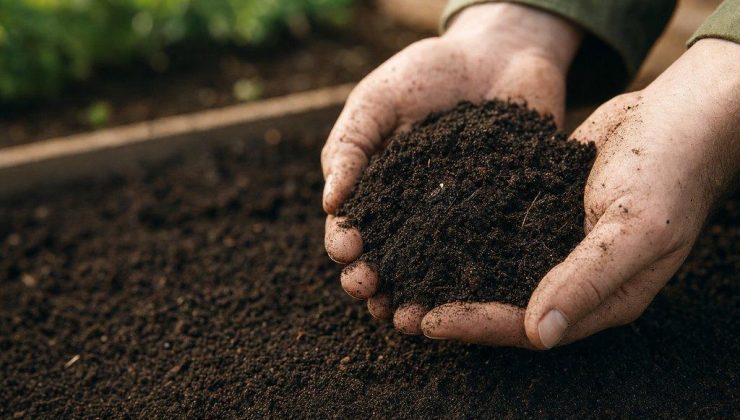
Topsoil refers to the upper layer of soil and is the go-to soil for filling in, leveling or amending areas in your yard. Depending on the type, topsoil will vary in its makeup of clay, silt, sand and organic matter. The best topsoil will be relatively free of debris and clumps, and loose enough to blend easily into your landscape.
Topsoil is often used as a base for new planting beds, to amend bare or patchy areas of the lawn and to fill in sunken areas of the yard prior to landscaping. However, not all topsoil is created equal, and some types of topsoil may not provide enough organic matter or nutrients to successfully grow vegetables or demanding ornamental plants. If you’re looking to create a new veggie or flower bed, consider amending topsoil with compost or opt for a nutrient-rich blend of garden soil instead.
Garden Soil Uses
Garden soil blends topsoil with ingredients like compost and aged organics, providing nutrients and a loose texture for root growth that distinguish it when comparing Topsoil & Garden Soil. Garden soil will typically hold moisture without becoming waterlogged, an important feature for healthy root growth.
Garden soil is best used to:
- Create raised beds for herbs and vegetables
- Amend existing beds for perennials and flowers
- Amend poor soil when planting shrubs
- Expand existing in-ground planting beds
- Mix into amended soil in new planting areas
Garden soil is a great option to amend poor or depleted soil, either sandy or heavy clay, to give plants the best possible growing conditions. However, if you’re filling in a large hole or adding soil to an area you plan to sod over with lawn grass, topsoil may be the better option.
Proper Soil Use
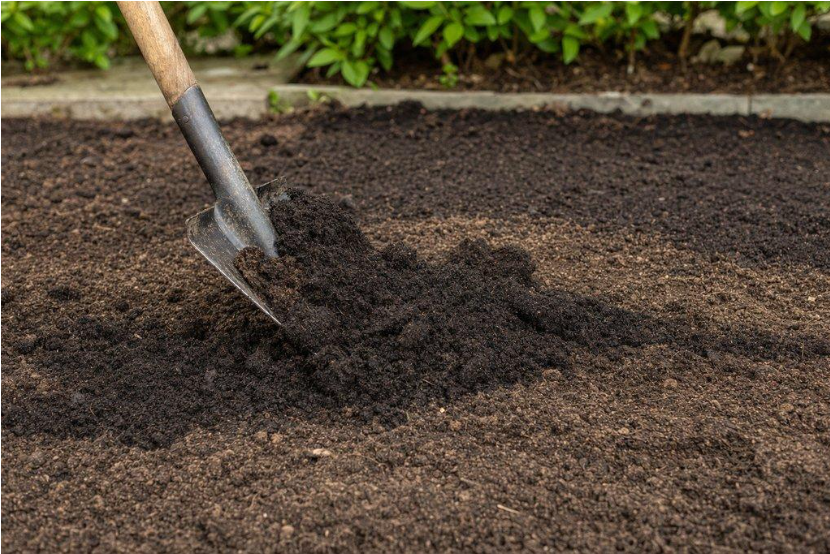
Adding a couple inches of garden soil on top of existing compacted soil can do more harm than good. Instead of amending the soil, you’ll essentially be creating a bathtub effect where water pools at the soil interface instead of percolating into the yard. Whenever possible, incorporate new topsoil or garden soil into existing soil a few inches deep to avoid this problem.
When planting shrubs and trees, avoid mounding mulch or garden soil against the plant’s trunk. Instead, leave a couple inches around the base of the plant free of mulch or soil to avoid rot and other moisture-related problems.
Before making any major changes to the soil, it’s a good idea to have a soil test done to check pH and nutrient levels. This will help you determine whether your soil needs to be adjusted to make it more acidic or alkaline.
Most plants, including vegetables, ornamentals and lawn grasses, do best with slightly acidic to neutral soil, but acid-loving plants like azaleas and blueberries need more acidic soil. A soil test can also detect problems like excessive phosphorus or a buildup of soluble salts, neither of which can be remedied by the addition of new soil. Soil tests are a good way to avoid the common mistake of applying too much fertilizer.
Choosing Quality Soil
- Color, it should be a natural-looking brown or dark color.
- Texture, it should have a loose, crumbly texture that’s easy to break apart with your hands. Avoid soil that is dusty or appears to be greasy.
- Odor, it should have a natural earthy smell. Avoid soil that smells sour or rancid.
- Composition, there shouldn’t be any large sticks, rocks or clumps. There should be a few chunks of partially decomposed organic matter.
Clayey soils will form a ball or cake when wet. Extremely sandy soils will crumble apart immediately. If you suspect you’ve purchased either of these types of soil, add compost or another organic soil amendment to improve drainage and water-holding capacity, respectively; the EPA discusses home composting at www.epa.gov/recycle/composting-home.
When to Use Each
- Topsoil alone is a good choice for filling in holes or amending compacted or poorly draining soil.
- Garden soil is a good choice for raised beds, planting beds and areas with depleted or poor soil.
- In raised beds, lay a base course of topsoil and fill the top third of the bed, where most of the feeder roots will grow, with garden soil.
- If your soil has adequate drainage but is nutrient-poor, amend existing soil with garden soil or compost instead of replacing all of the soil.
- Don’t use garden soil in pots and containers, choose a container-specific potting soil instead. Garden soil will likely compact too much for adequate drainage in a pot.
Topsoil and garden soil settle once they dry out, so don’t fill new raised beds to the brim.