
How to prepare a commercial property for pressure washing
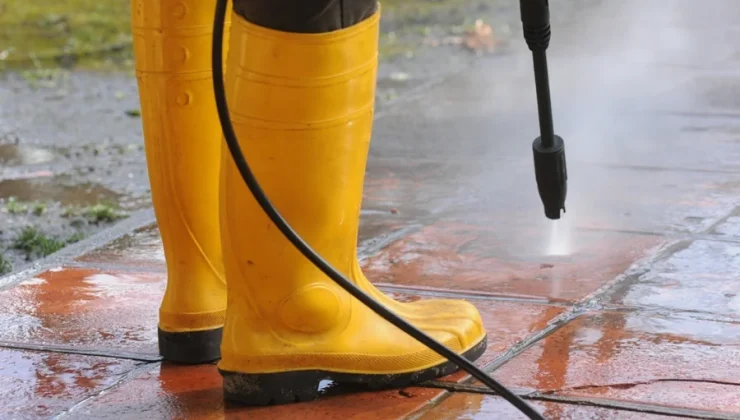
Commercial power washing runs on a different clock from a house wash. Customers walk through the work area, tenants keep their own schedules, and delivery trucks still need to reach the loading dock. When the preparation is done well, the wash fades into the background of a normal week.
When it isn’t, the results are blocked entrances, wet floors inside, damaged landscaping, and phone calls from tenants. Most of that preparation is logistics rather than cleaning, and much of it falls to the owner or property manager instead of the crew.
Start with a walk-through and a clear scope
Walk the property with whoever will do the work before anything is scheduled. Decide exactly which surfaces are included, such as sidewalks, entrances, the dumpster pad, loading areas, canopies, the building facade, and the parking lot.
The surfaces matter because they call for different methods. Concrete flatwork handles high pressure well. Painted surfaces, stucco, older mortar, wood, and some metal or composite cladding do not, so pressure washing commercial buildings often means lower pressure or a soft-wash approach on the walls and a stronger one on the ground.
Take dated photos of anything already damaged. Cracked concrete, chipped paint, spalling, loose sealant, and failing joints can all be worsened by pressure, and a photo record settles any later questions about what was already there. Also point out oil stains, gum, rust, and other problem spots during the walk-through. Many need pretreatment and time to work, so you have to plan them into the schedule.
Choose timing that fits the business
The best window interrupts the fewest people. For a retail center, that usually means early morning before opening or after closing. For an office building, it often means a weekend. A restaurant may close for the night, but its dumpster area and rear entrance still need a plan.
Weather deserves a second thought. Wind carries overspray onto cars and neighboring property. Near-freezing temperatures leave wet pavement that can turn to ice, creating a slip hazard in a lot full of customers the next morning. Pick a backup date in advance so a rained-out day doesn’t turn into a scramble.
Check noise too. Pumps, generators, and pressure equipment are loud, and local noise rules and lease terms may limit work hours, especially near residential neighbors. Ask early rather than discovering a restriction at six in the morning.
Notify tenants, staff and customers
A short written notice does most of the work. It should name the dates, the hours, the areas being cleaned, what to expect, where to park instead, and who to call with a problem. Send it with enough lead time for tenants to rearrange deliveries and parking, which on a multi-tenant property usually means more than a day or two.
Ask tenants to close windows and doors on the wash side and to bring in outdoor merchandise, signs, seating, and anything else that shouldn’t get wet. Remind staff not to prop doors open near the work.
Plan for walkways, too. Cones, signs, and a marked detour keep people out of the spray zone, and at least one accessible entrance should stay open and usable the whole time.
Clear the parking lot and surrounding areas
Pressure washing a parking lot only works when the pavement is empty. Cars left in stalls mean uncleaned rectangles and awkward rework, so the lot is usually done in sections. Post no-parking notices with exact dates and times well ahead, and ask tenants with fleet vehicles to plan where they will go.
Sweep or blow off loose debris first. Gravel, leaves, and litter clog storm drains and get pushed around by the spray. Move shopping carts, planters, bike racks, trash cans, and outdoor furniture out of the way, and clear the lot edges where dirt collects.
Dumpster areas need separate attention. Coordinate with the hauler to keep containers accessible and not overflowing, and flag any greasy spots so they can be treated before the rinse.
Protect plants, lighting, and openings
Landscaping suffers from both the cleaning solution and the force of the water. Tell the crew where the beds are, wet the plants down before and after, and cover delicate ones if needed. Soft plantings right against a wall are the most exposed.
Anything electrical needs the same care. Exterior outlets, light fixtures, signage, cameras, and meters shouldn’t be sprayed directly. Point them out during the walk-through and arrange to switch off or cover anything that shouldn’t get wet.
Openings matter as well. Door seals, vents, air intakes, and window frames can let water inside if they’re hit at the wrong angle. A quick tour of the building perimeter before the wash starts catches most of these.
Plan for wastewater and runoff
Wash water doesn’t stay clean. It carries dirt, oil, grease, cleaning agents, and sometimes flaking paint, and in many places storm drains lead to local waterways without any treatment. The federal Clean Water Act generally bars polluted wash water from entering storm drains, and state and local rules add their own requirements.
Locate the storm drains and sanitary sewer connections before the day of the wash. Ask how the crew handles runoff, whether that means drain covers, berms, or recovery equipment, and whether any local permit or rule applies to your site. It is also worth asking who is responsible if a rule is breached, and getting the answer in writing.
Confirm access, utilities, and paperwork
Settle the practical details a few days ahead. Decide where the water will come from, since a hose bib may not deliver enough volume and some jobs need a truck-mounted tank. Make sure gates are unlocked, and confirm any hot water or power the crew will need.
Paperwork matters just as much. Ask for a certificate of insurance and check it against what your lease or property policy requires. Get a written scope covering the areas, the methods, the schedule, and the rain date. If you’re considering commercial pressure washing service, clear answers on each of these points tell you a lot about how the job will be run.
Finally, name an on-site contact who will answer the phone during the work. Problems are easy to fix in the first ten minutes and much harder after the crew has moved on.
A checklist for the day before
A short list handed to the property manager the day before keeps everything in view:
- vehicles moved and no-parking notices posted;
- tenants and staff notified, with dates, hours and areas;
- outdoor furniture, planters and bins relocated;
- storm drains marked, and the runoff plan agreed;
- water source, gate access and utilities confirmed;
- on-site contact named, with a working phone number;
- certificate of insurance and written scope on file.
If every line is checked, the crew can start on time, and the property stays open for business.
After the wash
Walk the property again with the crew and compare it with the photos from the first visit. Look for missed spots, streaks, and anything that looks different. Keep cones and signs in place until wet pavement has dried, then reopen the lot and walkways.
Good preparation is what separates a smooth commercial wash from a stressful one. The cleaning itself is only part of the job. The notices, the cleared lot, the protected plants, and the runoff plan are what make it work for everyone who uses the property.