
Why Emergency Brands Become Everyday Household Terms
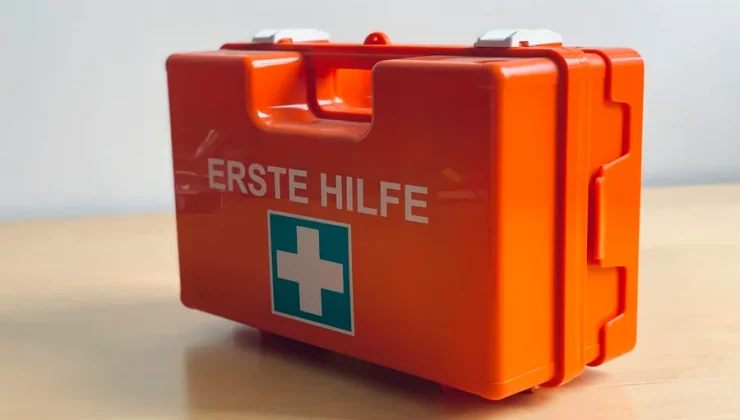
Some brand names become so familiar that people use them as the everyday name for an entire product category. This linguistic shortcut carries unusual weight in emergency services and safety technology, where families often remember one simple term during a stressful moment.
That level of recognition can give a company a lasting place in public conversation. Yet it also creates a challenge: the brand must keep earning the trust attached to its name. Clear communication, dependable service and products designed around real household needs all shape which names endure.
The Power of Proprietary Eponyms
A proprietary eponym develops when consumers use a trademarked name as a general term for similar products. Familiar eponym examples show how repetition, early market leadership and simple pronunciation can push a name into everyday speech.
Emergency brands have an extra advantage because people value fast recall during urgent situations. A short, memorable name can become mental shorthand for a service category, especially when relatives recommend it to one another. For naming professionals, the lesson is practical: choose words that are easy to hear, spell and repeat. Distinctiveness still matters because a term that becomes fully generic may lose some of its legal and commercial value.
When One Name Defines an Industry
Category-defining names often appear when a company gives consumers an easy label for technology that previously felt unfamiliar. Lists of generic brand names illustrate how convenience shapes vocabulary across industries.
That effect influences online searches too. A Canadian family comparing home and mobile medical alert systems might search for the best life alert even when assessing the broader product category. Providers need to recognize the intent behind that wording. Useful pages should answer concrete questions about coverage, response procedures, device use and shipping without assuming that name recognition equals understanding. Plain explanations help families connect a familiar phrase with the features they actually need.
What Families Look for Beyond the Slogan
A memorable slogan may earn attention, but families usually base their final choice on daily usability. They want to know if the device is comfortable, how it works outside the home and what happens after someone presses the help button. Instructions should be readable at a glance, while setup should suit people who may have limited technical experience.
Brand credibility also depends on consistency across packaging, support conversations and website copy. Even small naming choices affect expectations, as this guide to brand names and market perception explains. Companies can test clarity by asking several people to describe the service after viewing its name and homepage for 30 seconds. Conflicting answers reveal where the message needs work.
Building Longevity in Safety Technology
Lasting emergency brands pair recognition with steady product improvement. A well-known name can open the door, but reliability, responsive support and clear guidance determine what customers tell their relatives. Companies should review common support questions each quarter and use them to improve instructions, onboarding and product descriptions.
Language also needs careful management. If consumers routinely use a brand as a category label, marketing teams can reinforce the trademark while teaching customers the correct product type. That protects brand identity without making the copy sound legalistic.
The strongest names eventually carry a quiet promise: users know what the service does, who it helps and what to expect when it matters. Keeping that promise precise is what turns household recognition into lasting confidence.