
A Twin Adjustable Bed in the Warmest Room: Cooling Memory Foam for Overnight Guests
An overnight guest may be too polite to mention that the spare bedroom feels stuffy, the pillow is uncomfortable, or the bed makes it difficult to settle down. They might simply wake up several times, push the covers aside, or leave the room feeling less rested than expected. These small details matter when preparing a room for visitors, especially during warm weather when a bedroom that rarely gets used can become the hottest part of the house.
A twin adjustable bed offers a way to make a guest’s sleeping arrangement more adaptable without taking up the space required by a larger bed. Raising or lowering sections of the base can help accommodate different resting preferences, while the mattress, bedding, and room conditions determine much of the overall comfort. A welcoming guest room is not necessarily the one with the most features; it is the one that makes it easy for someone unfamiliar with the space to relax.
Why the Spare Bedroom Often Becomes the Warmest Room
Guest bedrooms are not always used as regularly as the main bedroom. Their doors may remain closed for long periods, curtains might stay drawn, and air may circulate less effectively than it does in frequently occupied rooms. If the room also receives afternoon sunlight or sits beneath a warm roof, its temperature can rise noticeably before bedtime.
The problem can become more pronounced during humid weather. Moist air slows the evaporation of sweat, so a guest may feel sticky even when the room does not seem exceptionally hot. Heavy blankets, thick mattress protectors, and decorative cushions can add to the sensation by trapping warmth close to the body. A room that looks inviting during the day may therefore feel quite different after several hours of sleep.
Before buying new bedding or replacing the mattress, spend some time checking the room itself. Open the curtains when appropriate, improve ventilation where outdoor conditions allow, and avoid storing damp towels or laundry in the bedroom. If the room consistently holds excess heat or moisture, suitable cooling or dehumidifying equipment may help more than another layer of bedding.
Give Guests More Control Over Their Resting Position
People do not all relax in the same way. Some like to read before sleeping, others prefer watching television for a short time, and some want to lie down as soon as they enter the bedroom. A conventional bed can accommodate these routines with pillows, but those pillows may shift or create an awkward angle when someone leans back for an extended period.
An adjustable base offers another option by allowing the sleeping surface to change position. A guest who wants to read may prefer a gentle head elevation, while someone preparing to sleep may choose a flatter position. The ability to make these adjustments can be especially useful for visitors who are accustomed to different sleeping arrangements at home.
However, more movement does not automatically mean greater comfort. A steep incline may strain the neck, and raising the legs too far can feel unnatural for some people. Guests should be able to find a comfortable position without needing to experiment with complicated settings. Clear instructions and a simple remote, when provided with the bed, can make the setup easier to use.
Choose Bedding That Suits Warm Nights
A guest bed should feel comfortable without requiring visitors to unpack their own pillows, blankets, or sleepwear. During warmer months, this often means keeping the bedding simple and giving guests the option to add warmth rather than forcing them to remove several heavy layers.
Start with sheets and mattress protection
The sheet is the layer a sleeper feels most directly, so its texture and construction can influence the first impression of the bed. Lightweight, breathable fabrics may feel more comfortable than dense materials in a warm room. Cotton is a common option, although the weave, fabric weight, and overall construction all affect how it feels.
Mattress protectors deserve similar attention. Some are relatively thin, while others have thicker or less breathable layers. A protector may be useful for keeping a guest mattress clean, but it should also suit the conditions in which the bed will be used. If the surface feels warmer than expected, check whether the protector or a padded topper is contributing to the problem.
Keep blankets easy to adjust
Rather than making the bed with one heavy comforter, consider using a lighter cover with an additional blanket folded nearby. This gives visitors more control over how much warmth they want. A person who feels cold during the night can add a layer, while someone who sleeps hot can keep the bed relatively light.
Pillows can also affect comfort. A thick pillow may push the head forward, particularly when the upper body is already elevated. Offering a choice of pillow heights can make the room more accommodating without taking up much space. These small preparations are often more useful than adding decorative items that guests must move before going to sleep.
What Cooling Memory Foam Can—and Cannot—Do
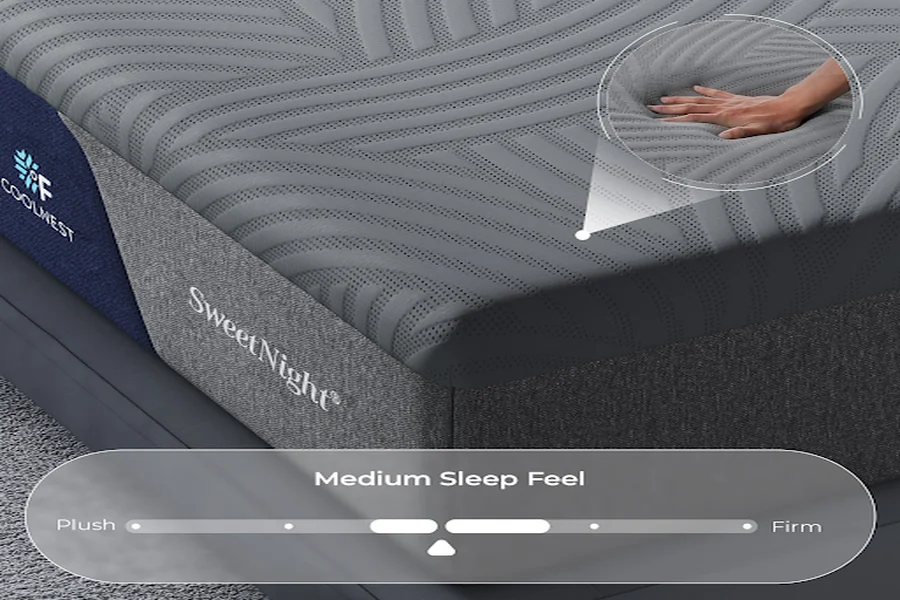
Memory foam is designed to respond to body weight and shape, creating a closer fit than some other mattress materials. This can help distribute pressure, but the close contact may also feel warmer to certain sleepers. How much warmth a mattress retains depends on its foam construction, comfort layers, cover, bedding, and the temperature of the room.
A cooling memory foam mattress is worth considering when a guest bed needs to balance contouring comfort with temperature management. However, the term “cooling” covers different designs and materials. Some products use particular foam formulations or cover fabrics intended to improve the sleeping experience, but these features do not guarantee that every person will feel cool throughout the night.
For guest rooms, the best approach is to assess the mattress as part of the complete setup. A mattress may feel comfortable in a well-ventilated room but less pleasant under heavy bedding in a humid environment. Checking its firmness, support, cover material, and compatibility with the bed base gives a clearer idea of whether it suits the intended use.
Making a Small Guest Room Feel Less Restrictive
A twin bed is useful when floor space is limited, but the room should still feel easy to move around in. Guests may need space for a suitcase, a phone charger, a glass of water, and a place to put their clothes. If every surface is crowded, the room can feel uncomfortable before the visitor even lies down.
Keep the route between the bed and the door clear. A small bedside table can hold essential items without requiring a large piece of furniture, and a reading light gives guests control over the brightness without lighting the entire room. If the adjustable base has a remote, place it somewhere easy to find rather than leaving it hidden beneath the bedding.
The room’s layout can also influence how warm it feels. Avoid blocking vents with furniture or placing thick curtains directly over heating and cooling outlets. Leave enough space around fans or other equipment for them to operate as intended. These adjustments will not solve every temperature issue, but they can prevent the furniture arrangement from making the environment less comfortable.
Considering the CoolNest Mattress for a Guest Setup
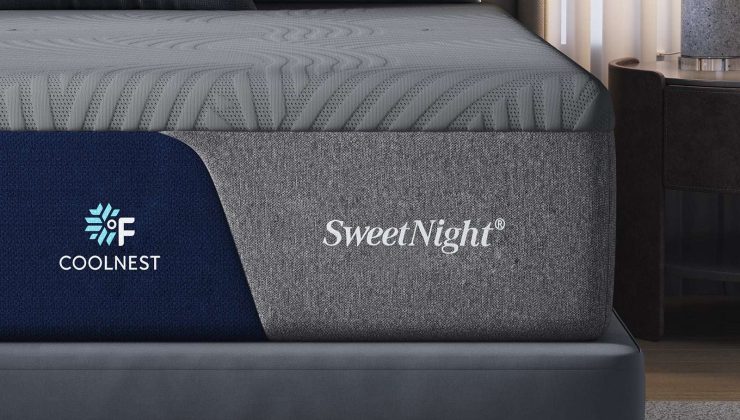
The SweetNight CoolNest Mattress is one option to review when choosing a mattress for a bedroom that needs to accommodate different visitors. Instead of focusing only on its cooling-related features, consider the mattress dimensions, firmness, construction, and suitability for the intended adjustable base. These details determine whether the product fits the room and the needs of the person using it.
Guest mattresses have a particular challenge: the owner may know their own sleeping preferences, but visitors can have very different needs. One guest may sleep on their side and prefer more cushioning around the shoulders, while another may sleep on their back and prefer a firmer feel. A mattress should be assessed for its overall comfort and support rather than assuming that one feature will suit everyone.
Before making a purchase, review the current product specifications and manufacturer guidance for adjustable-base compatibility. Confirm that the dimensions match the bed frame and that the intended positions are supported. The CoolNest Mattress can be considered alongside breathable sheets, a suitable pillow, and a room that is prepared for the local weather. No mattress can replace good ventilation or guarantee a cool night’s sleep in every environment.
Prepare the Room Before Guests Arrive
The most useful guest-room improvements are often the ones completed before someone arrives. During the day, check whether sunlight makes the room noticeably warmer than the rest of the house. If possible, manage direct sunlight with curtains or blinds and allow air to circulate when outdoor conditions are suitable.
Make the bed with clean sheets and a light cover, then leave an extra blanket within reach. Check that the pillow is comfortable and that the mattress protector does not create an overly padded surface. If the bed adjusts electronically, test the controls beforehand and make sure the remote is accessible.