
A Realistic Timeline for a One-Day Bathroom Upgrade
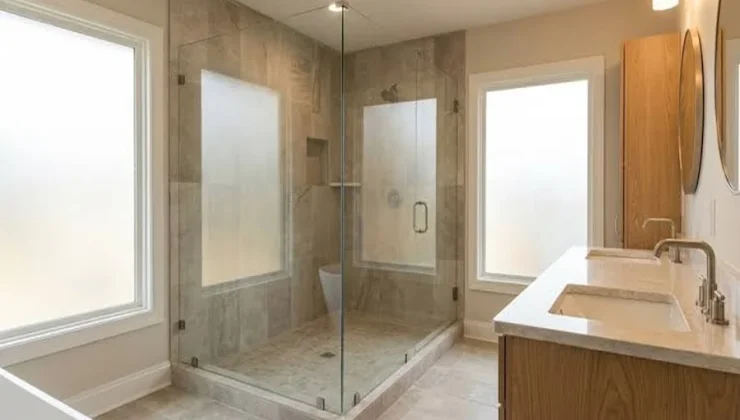
Seven hours. That is how long my last tub-to-shower swap took, start to finish, including the coffee break where the homeowner asked me three times if we were really going to finish that afternoon. We were. But the week before that, a nearly identical job in the same town ran into a second day because the old tub sat on a rotted subfloor nobody could see until we pulled it.
So when a homeowner asks whether a bathroom can really change in a single day, I give them an honest answer: usually yes, and the reasons it sometimes doesn’t are all visible before anyone lifts a wrench. This guide walks through what the day actually looks like, what belongs on your prep list, and how to spot a crew that will hit the one-day mark versus one that just says they will.
What “One Day” Really Means in a Bathroom Remodel
One-day remodeling almost never means a full gut renovation. It means a targeted swap: an old tub or dated shower system comes out, a new prefabricated acrylic system goes in, and the room is usable again by dinner. Tile work, floor replacement, vanities, and electrical changes usually push the job into a different category of project, and a different timeline.
The reason prefab systems make the one-day claim possible is manufacturing. The wall panels, base, and trim arrive already measured, molded, and finished at a factory. What’s left on site is disassembly, fitting, plumbing connections, sealing, and cleanup. If you have ever watched a tile setter build a shower pan by hand, you know that alone eats a day or more before a single tile goes up.
Industry fabrication standards matter here, and the National Institute of Standards and Technology is the body that publishes reference material on manufacturing process control. A component built in a controlled plant doesn’t care about the humidity in your house or whether your walls are perfectly plumb. A hand-built assembly does.
A Realistic Hour-by-Hour Timeline
Here’s how a normal single-day install breaks down, based on the jobs I’ve run. Times shift with the size of the unit and how tight the access is, but the shape of the day stays steady.
| Time | Stage | What You’ll See
|
|---|---|---|
| 7:00 to 8:30 | Protection and teardown | Drop cloths down, old tub or shower cut out, debris hauled to the truck |
| 8:30 to 10:00 | Inspection and prep | Subfloor and wall condition checked, any repair scoped on the spot |
| 10:00 to 12:30 | Base and plumbing | New pan set, drain and valve connected, supply lines tested |
| 12:30 to 3:00 | Wall panels and fixtures | Panels locked in, trim and fixtures fitted |
| 3:00 to 4:30 | Sealing and cleanup | Caulk lines run, water test, site swept, walkthrough with you |
Notably, only one of those stages is genuinely uncertain. Teardown reveals the truth about what’s behind your walls, and that’s the part I can’t promise in advance. Everything after it follows the plan.
What Actually Slows a One-Day Job Down
You can usually predict the problem before the crew knocks. Here are the culprits I see most often, roughly in order of how often they add a second day.
- Water damage under the old unit. A slow leak that’s been running for years rots the subfloor. Replacing it is straightforward, but it adds hours.
- Out-of-square or bowed walls. Prefab panels forgive a lot, but a wall that’s off by more than an inch or two needs furring strips first.
- Old plumbing that wasn’t to code. If the valve rough-in needs moving, you’re in a different scope than the quote assumed.
- Tight access. A second-floor bathroom with a narrow staircase adds real time on every carry.
- Last-minute design changes. Deciding you want a different fixture mid-install always costs you.
Two of those five are on you. Get the design locked before install day and you eliminate the single most common self-inflicted delay.
One more thing people forget: code. Plumbing and ventilation standards aren’t decoration, and they exist because bathrooms are wet rooms. The U.S. Department of Housing and Urban Development publishes baseline housing and building guidance that many local inspectors work from. Your installer should already know your local requirements without asking.
Your Prep Checklist Before Install Day
Most of the work of “one day” happens before the day itself. Here’s what I’d tell a friend to do.
- Clear the bathroom completely. Towels, medicines, shower curtains, bath mats, and the little shelf of product bottles. The crew will move a lot, but they shouldn’t have to pack your cabinets.
- Choose your fixtures and finishes two weeks out, not the morning of. Trim color, drain finish, and panel texture all affect what gets loaded on the truck.
- Confirm someone will be home, or arrange a key and a phone number for questions.
- Plan a second bathroom for the day, or at least know the water will be off for a couple of hours.
- Move anything fragile or valuable out of the hall outside the bathroom door. Panels come through sideways more often than you’d think.
- Note the parking situation. A truck needs a clear path to your door for eight hours.
If a company won’t give you a prep list, that’s a small warning sign. It usually means they’ve been burned enough times that they’ve stopped being surprised by anything.
How to Spot a Crew That Will Actually Finish in a Day
Ask three questions before you sign anything.
First, ask what happens if the subfloor turns out to be damaged. A straight answer sounds like “we’ll show you photos and give you a price before we touch it.” A vague answer sounds like “we’ll handle it.”
Second, ask whether the same crew that measures also installs. When the person who wrote your estimate is also the person with a caulk gun, the day runs smoother because nobody is translating.
Third, ask about the water test. A one-day install that skips a test is just a fast install that becomes a week-long install after the first leak.
This is the point where I’ll be honest about my own bias. I’d rather see a homeowner pay a bit more for a company that has done hundreds of these than gamble on a lower quote from a crew that treats this as a one-off side job. Speed is a skill, and skills come from repetition.
What You’re Actually Buying When You Buy Speed
Anyone can promise a fast job. Delivering on that promise is a supply chain and labor problem, and it’s the one thing I’d genuinely advise you to interrogate during your consultation. Ask to see a finished install, not just a showroom display. Ask how many units the crew installs in a typical week. Ask what the failure rate looks like on the caulk lines, because that’s where quick work usually falls apart.
The materials themselves matter too. Acrylic units are made from petrochemical feedstocks with tight tolerances, and the U.S. Department of Energy tracks how these materials perform as they’re recycled and reformulated. A good installer knows the difference between a quality acrylic panel and one that will bow after a few hot summers. You don’t need to know the chemistry, but you do want to know they do.
If you’re in a region where contractor schedules fill up months in advance, the one-day model turns into a real advantage. You can upgrade your bathroom in as little as one day without giving up the whole room for weeks. That matters most when you only have one bathroom, or when a family member needs a safer, easier-to-enter shower sooner rather than later.
Whether the day actually lands on the calendar the way you planned depends mostly on how well you prepped. Do the checklist. Ask the three questions. Then enjoy the afternoon where you get to see the whole thing come together.