
Montessori Floor Bed or Classic Bed: Which Is Better for a Child’s Room?
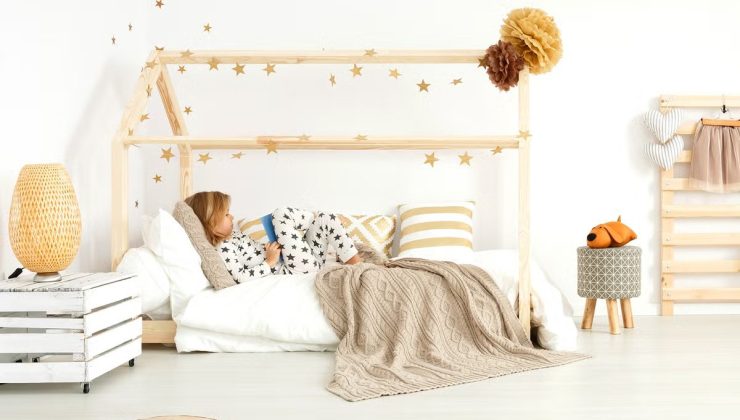
Setting up a child's room involves more actual decisions than it looks from the outside, and the bed choice is one of the few that genuinely affects how independently the child uses the space every single day.
Montessori floor bed or classic kids' bed – the difference is worth understanding before committing to either.
What Makes a Classic Kids' Bed Different?
A classic kids' bed has a higher frame, a familiar shape, and a look most families recognize instantly because it's the default in most rooms. It gets the job done, and many children use one for years without issue. The catch is that a toddler can rarely get in and out on their own because of the height, so a parent ends up involved every time the child needs to get in or out. That's a small thing that becomes a daily pattern, and for families where building sleep independence is the actual goal, that pattern tends to slow things down more than expected.
Montessori Floor Bed vs Classic Bed: Which Is More Comfortable for a Child?
On height and access, a Montessori floor bed is the more practical choice for younger children. Being close to the ground reduces the risk of falls and makes it easier for a child to get in and out independently. A classic bed sits higher, which introduces both a safety consideration and a dependency that builds into the daily routine by default. With the right mattress, either format can be genuinely comfortable to sleep in. What changes is how easily the child can access and become comfortable with their sleeping space — kids who can reach their bed freely throughout the day tend to settle into it faster and resist bedtime less once the familiarity is there.
When Is a Montessori Floor Bed the Better Choice?
Parents who want bedtime to involve less management and more actual child-led independence tend to land on this format pretty naturally. It suits families coming out of the crib stage who want the next setup to feel gradual. It also works well when the room needs to stay open and navigable for a small child rather than full of furniture that requires adult help to interact with. And for anyone who finds themselves lifting the child in and out of the current bed daily and realizing that dependency is just going to continue unless the physical setup changes, a floor bed addresses that before it becomes a fixed habit.
Montessori Floor Beds by BusyWood
BusyWood makes Montessori floor beds in natural wood in formats that cover different ages, sleeping needs, and room setups. Open floor models, versions with rails, house-frame designs – the construction is solid throughout, the finishing is smooth on every surface a child touches daily, and the overall design stays clean enough to fit into a real kids' room without dominating the space. For parents who've decided the Montessori direction makes sense, the range gives enough variety to find a fit without compromising on the details that actually matter.
A classic bed is a perfectly reasonable choice. A Montessori floor bed is a choice that also does something extra – it gives the child a sleeping space they can actually navigate on their own, which changes how independently they use the room day to day. For parents for whom that distinction matters, the format tends to feel like an obvious fit once they've thought about what daily life with either option actually looks like. More child independence in the bedroom usually means less parental management at bedtime, and most families find that trade-off more than worth making once they experience it.