
How Names and Personalities Make Collectible Characters More Memorable
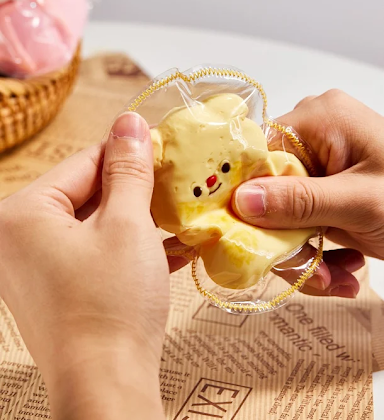
A well-designed shape gets someone to pick up an object for the first time. A name and a bit of personality is usually what gets them to remember it afterward. This distinction matters more than it might seem in the world of small collectible toys, where dozens of similarly cute designs compete for the same limited attention, and the ones that stick in someone’s memory are rarely just the ones with the best sculpting.
From Product to Character
Naming a character, even something as simple as a themed collectible squishy, changes how a person relates to the object. An unnamed toy is a product. A named one starts to feel, at least a little, like an actual character with some kind of implied identity, even if that identity is extremely minimal. This shift from object to character is a well-established pattern across toy design generally, from classic action figures to modern plush lines, and it applies just as well to a squeezable animal-shaped novelty item as it does to anything else.
Why Animal Designs Benefit Most from a Personality Layer
Animal designs are a particularly good example of where this naming and personality layer adds real value. A generic animal squishy character is cute on its own, but giving it a specific personality trait, playful, shy, mischievous, whatever fits the design, gives a collector something to actually connect with beyond the physical shape. This is the same basic principle behind why certain stuffed animal lines with named characters and simple backstories tend to build stronger, longer-lasting fan followings than generic, unnamed plush toys competing in the same space.
Named Characters Are Easier to Recommend
There’s a practical reason this matters for a collectible line specifically, beyond just emotional connection. A named character is easier to talk about, search for, and recommend to someone else than a generic description would be. It’s much easier to tell a friend to look up a specific named character than to describe “the round grey one with big ears,” and that ease of reference directly supports word-of-mouth interest, which remains one of the most valuable ways a small collectible line grows its audience organically.
Giving Characters a Distinctive Physical Signature
Distinctive physical traits play into this naming strategy well too, giving a character something memorable to be known for beyond a generic species or shape. A cat paw squishy collection built specifically around a recognizable physical detail, in this case a paw shape, gives the design an identifiable signature that stands out even within a broader animal-themed line. That kind of specific, ownable visual trait is often more memorable than a fully generic animal shape, precisely because it gives people a clear, simple thing to associate with that particular character or sub-collection.
Naming Conventions That Support Future Expansion
A well-thought-out naming approach also makes it easier to expand a collection later without things feeling forced or inconsistent. Establishing a loose naming pattern early on, whether that’s a shared sound, a consistent theme, or a simple naming formula, gives a brand room to introduce new characters down the line that clearly belong to the same family without needing to explain the connection explicitly. Collectors tend to pick up on these subtle naming patterns quickly, and recognizing that a new character fits the established pattern adds a small layer of satisfaction that a completely unrelated, one-off name wouldn’t provide.
Getting the Name Right Matters Too
Naming conventions themselves deserve some thought too, since a name that fits the character’s personality and design tends to land better than a purely arbitrary one. A playful, food-shaped character generally benefits from a name that sounds a bit fun and light rather than something overly serious or complicated. This isn’t a hard rule, but it’s a pattern that shows up repeatedly across successful toy and character lines, where the sound and feel of a name reinforces rather than contradicts the visual personality already established by the design itself.
Names Give a Community Something to Talk About
There’s also a community-building effect that comes from named characters specifically. Once a character has an actual name and a bit of established personality, fans have a shared vocabulary to discuss favorites, trade opinions, and build small informal rankings or preferences within a collector community. This kind of shared language is much harder to build around a collection of purely generic, unnamed shapes, since there’s less of a concrete anchor point for that conversation to actually happen around.
A Little Personality Goes a Long Way
None of this requires an elaborate backstory or a fully fleshed-out fictional universe to work. Even a minimal amount of personality, a name, a defining trait, a hint of character, is usually enough to make a design memorable in a way that shape and color alone can’t fully achieve on their own. This is a lesson that toy designers have understood intuitively for a long time, even if it doesn’t always get articulated directly as a formal design principle.
How This Plays Out Across a Full Collection
When a brand applies this naming and personality approach consistently across an entire line rather than to just one standout character, the effect compounds. A collector who’s already attached to one named character is naturally curious about how the others in the same family compare, whether a sibling character has a contrasting personality or a shared trait that ties the whole group together. This kind of internal consistency across a collection gives collectors a reason to explore the full range rather than stopping after acquiring their initial favorite, since each new character comes with an implied relationship to the ones they already own.
Personality Traits That Travel Well Across Cultures
It’s worth being thoughtful about which personality traits get assigned to a character, particularly for a product line with a genuinely international audience. Broad, simple traits, playful, curious, sleepy, gentle, tend to translate cleanly across languages and cultures without needing much localization. More specific or culturally loaded personality concepts can lose something in translation or land differently depending on where a buyer is from, so keeping character personalities simple and broadly relatable tends to serve a global collectible line better than something more narrowly specific.
What Happens When a Character Resonates Beyond Expectations
Occasionally a specific named character within a broader line ends up resonating far more strongly than anyone anticipated at the design stage, becoming something closer to an unofficial mascot for the entire collection. When this happens, it’s usually because the combination of shape, name, and personality trait landed on something unexpectedly relatable, a trait that a surprising number of collectors saw a bit of themselves in, or a name that turned out to be unusually fun to say out loud and share. Brands that notice this kind of organic favorite emerging tend to lean into it further, expanding that specific character into more variants, finishes, or sizes rather than treating every character in the line as equally weighted from the start.
Final Thoughts
For anyone building a collectible product line, the takeaway is fairly simple: get the shape and craftsmanship right first, since that’s what earns someone’s initial attention, but don’t stop there. A bit of name and personality is often what turns a one-time purchase into an actual attachment, and attachment is really what keeps a collector coming back for the next piece in the line, long after the novelty of the shape alone has worn off, and a good name is often the one detail a collector remembers years after the actual purchase.