
Scaling Your E-Commerce Store globally: A Strategic Guide to Multilingual SEO & Content
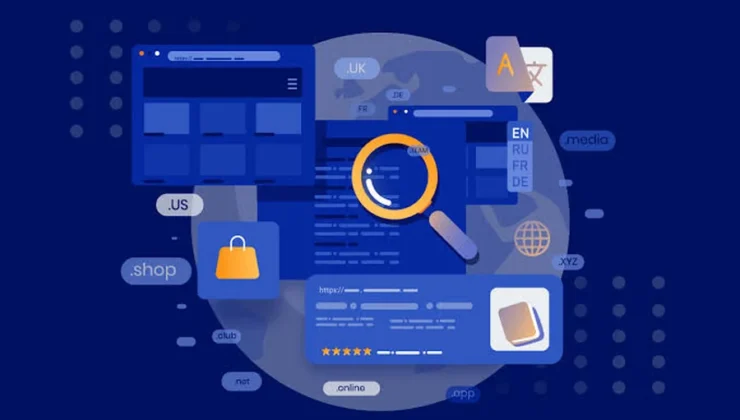
Expanding an e-commerce business internationally is one of the most effective ways to unlock new revenue streams. However, simply translating your product listings isn’t enough. Cross-border consumers expect a seamless, native shopping experience—from discovery on search engines to checkout. To successfully scale your Shopify or WooCommerce store globally, you need a cohesive strategy that combines multilingual SEO with high-converting content localization.
1. Conduct Market-Specific Keyword Research
Global SEO goes beyond direct word-for-word translation. Search habits vary significantly across regions, even among countries that speak the same language.
- Identify Regional Search Intent: Users in different countries often use distinct terms for the same item (e.g., “sweatshirt” in the US vs. “jumper” in the UK).
- Target Local Search Engines: While Google dominates Western markets, platforms like Baidu (China), Yandex (Eastern Europe), or Naver (South Korea) require tailored keyword strategies and technical optimizations.
- Optimize Metadata: Translate and adapt meta titles, descriptions, and alt tags for product images to maintain high click-through rates (CTR) in regional SERPs.
2. Implement a Technical Structure for Multilingual SEO
Search engines need clear signals to understand which version of your site to display to users in different locations.
- URL Structure: Use dedicated subdirectories (e.g., [yourstore.com/fr/](https://yourstore.com/fr/)) or country-code top-level domains (ccTLDs, like yourstore.fr) to separate regional content cleanly.
- Hreflang Tags: Correctly implement hreflang attributes in your store’s header or sitemap to prevent duplicate content issues and ensure search engines serve the correct language variant.
- Automatic Currency & Tax Adjustments: Integrate multi-currency support and display region-specific taxes early in the user journey to build immediate trust.
3. Move Beyond Translation to Cultural Transcreation
Literal translation often strips away the emotional hook of marketing copy, leading to higher bounce rates and lower conversions. Transcreation adapts the intent, tone, and emotional impact of your brand voice for a new audience.
To drive organic traffic and resonate with international buyers, integrating a reliable marketing translation service into your content workflow is essential.

- Adapt Value Propositions: Tailor your homepage banners, promotional offers, and call-to-action (CTA) buttons to align with local shopping holidays (e.g., Singles’ Day, Black Friday, or Boxing Day).
- Localize Social Proof: Feature reviews, testimonials, and user-generated content from customers within the target region to boost buyer confidence.
- Refine Product Descriptions: Ensure sizing charts, measurements, and technical specifications are converted into local units (e.g., metric vs. imperial).
4. Optimize the Checkout Experience for Local Markets
Cart abandonment peaks when shoppers encounter unfamiliar payment options or unclear shipping policies at checkout.
- Offer Preferred Local Payment Methods: Beyond credit cards, support regional favorites like iDEAL (Netherlands), Klarna (Nordics/Europe), or digital wallets popular in specific markets.
- Transparent Shipping and Duties: Clearly outline international shipping times, return policies, and import duties to eliminate unexpected costs at the final step.
By combining strong technical SEO foundations with culturally relevant and localized content, your e-commerce store can improve visibility across international search engines, earn the trust of diverse audiences, and deliver a seamless shopping experience that boosts engagement, customer satisfaction, and long-term conversion growth in global markets.