
Event Production in South Florida: Venues, Permits, and Weather Realities
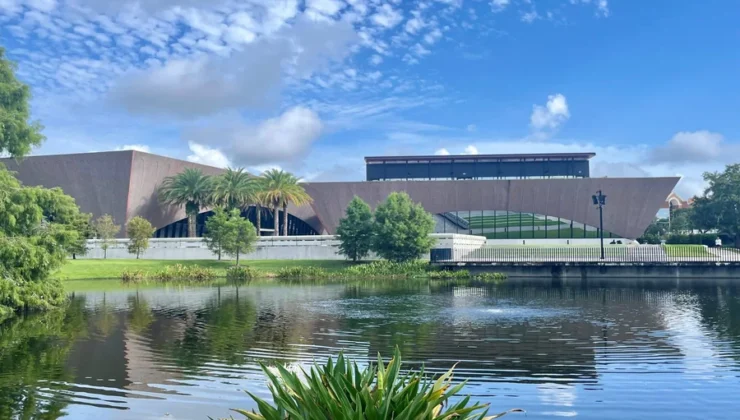
South Florida hosts one of the densest event calendars in Miami, from oceanfront galas to convention floor product launches. This is thanks to the region’s rare combination of year-round warm weather, direct international flight access, and a built-in audience of both local residents and visiting travelers.
Yet behind each event sits a set of local conditions that don’t show up in a typical planning checklist. This article looks at what makes South Florida a distinct market for event production and what planners need to account for before choosing a venue.
Why South Florida Is Not Just a Warmer Version of Anywhere Else
South Florida sits at the intersection of a tropical climate, a major international travel hub, and a market where events compete for attention almost every week of the year. That combination creates opportunities other regions don’t have. Outdoor events can run through most of the calendar year.
But the same climate that extends the outdoor season also drives real planning constraints. Hurricane season runs June through November, and it directly affects venue insurance requirements, outdoor structure permitting, and cancellation clauses in vendor contracts. Humidity and afternoon storms, common even outside hurricane season, push planners toward covered backup options for any outdoor format.
Venue Types and What Each One Demands
South Florida offers a wide range of venue formats. Choosing the right one starts with understanding what each type actually supports and what it doesn’t. An experienced event production South Florida team matches the format to the venue before booking so clients don’t discover limitations too late. Below is a closer look at the most common venue categories.
Beachfront and Outdoor Sites
Outdoor venues offer ocean views and open-air layouts that make them popular for galas and brand activations, but they come with real demands. Power, staging, and AV need to be brought in and weatherproofed, since these sites have no built-in infrastructure. Outdoor event permits Florida authorities require can take weeks to process, and a solid weather contingency is essential even outside peak hurricane season.
Convention Centres and Hotel Ballrooms
Built-in AV, climate control, and space for multiple breakout sessions make these venues the standard choice for large-scale corporate events and conferences. The tradeoff is flexibility. Availability during peak months on the Miami event calendar fills up more than a year out, and many venues carry in-house vendor requirements or union labor rules planners need to account for early.
Warehouses, Studios, and Non-Traditional Spaces
A blank canvas and full creative control over layout and branding are the main draw here, without the visual constraints of a hotel event floor. That freedom means more groundwork. Power, HVAC, restrooms, and load-in access usually need to be arranged separately, and occupancy limits and fire code compliance have to be confirmed early, since these details can shape the entire design.
Permits, Noise Ordinances, and Load-In Restrictions
Permit requirements change by municipality, which trips up planners coming from other markets. Beach and park events usually need separate city and county approval, as well as extra permits for alcohol, amplified sound, or temporary structures. Noise ordinances vary by neighborhood too. Some residential-adjacent areas cut off amplified sound as early as 10pm.
Besides, many venues restrict truck access to set hours and require insurance documents before crews can enter. Teams familiar with South Florida event venues usually move through this faster, since they already know which approvals take a week and which take months.
Heat, Humidity, and Hurricane Season: Planning Around the Climate
In fact, South Florida has only two seasons for planning purposes. November through April is mild and dry, making it the safest window for outdoor events.
June through November is hurricane season. Humidity rises, afternoon storms become near-daily, and tropical systems can force a reschedule with just days of notice. This is why hurricane season event planning always includes a written weather contingency and a backup indoor space, agreed upon before the event date.
The Regional Calendar That Controls Pricing
Prices move with tourism, not just event demand. January through March is the most expensive stretch, driven by snowbird season, Art Basel, and Formula 1 weekend all landing close together. Summer and early fall are cheaper. Tourism slows, and hurricane risk keeps some bookings away. Planners with flexible dates can often cut costs by shifting just outside the winter peak.
FAQ
When is peak event season in South Florida?
Peak season runs roughly from January through April, when the weather is most reliable and the region’s biggest annual events draw the largest crowds.
Do outdoor events need a weather contingency plan in writing?
Yes. A written contingency plan, including a backup indoor option and clear rescheduling terms, should be finalized before signing any outdoor venue contract.
How long does permitting usually take?
Simple permits can clear in one to two weeks, while beach access, road closures, or large structural permits often take four to eight weeks or more.
Is it cheaper to produce in Fort Lauderdale than Miami?
Generally, yes. Fort Lauderdale and other nearby cities tend to offer lower venue and vendor rates than Miami, particularly during peak season, though the savings depend on the specific venue and format.
Producing With the Region, Not Against It
South Florida rewards planners who work with its conditions instead of ignoring them. The right venue, permits secured early, and a real weather plan turn the region’s climate from a risk into a non-issue. Teams who plan ahead and build in flexibility are the ones who can turn South Florida’s advantages, warm weather, and international reach into a well-executed event of their own.