What Sets a Galapagos Cruise Apart From Other Wildlife Trips
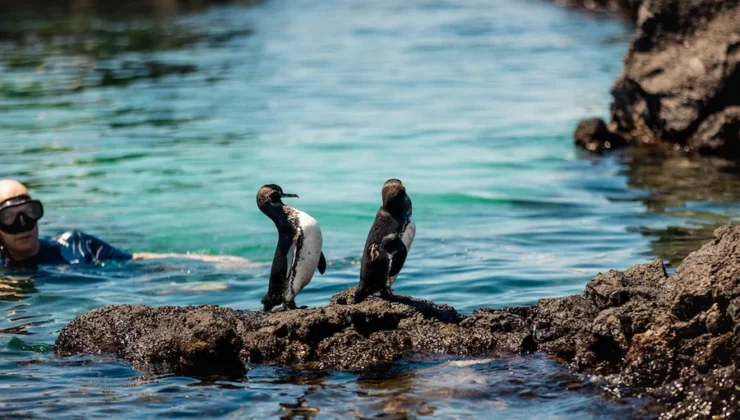
Wildlife travel can lead to forests, plains, reefs, and remote coasts. Few trips combine rare species, volcanic terrain, ocean life, and close observation across one compact archipelago. This mix gives the destination a vivid character tied to nature.
A Galapagos Islands cruise links habitats without repeated hotel transfers or long drives. Guests can wake near a new shore, explore by tender or trail, and return to the vessel between excursions. This article explains how wildlife access, expert guidance, protected sites, and small-ship comfort set the voyage apart.
Rare Wildlife At Close Range
Animals across the Galapagos Islands developed under extreme isolation, so several species show little fear of human presence. Sea lions may rest beside paths, marine iguanas cover dark lava, and blue-footed boobies perform courtship displays near marked routes. Such encounters feel direct, yet park rules protect visitors and wildlife.
UNESCO reports about 500 native vascular plant species across the archipelago, with roughly 180 found nowhere else. It also records 36 reptile species, all endemic, which helps explain the region’s exceptional ecological value. This statistic adds context to scenes that may seem simple.
Galapagos Islands Routes Link Distinct Habitats
A cruise route can connect old eastern islands, young western lava fields, sheltered bays, highlands, and rich marine channels. Different stops reveal distinct combinations of geology, plants, birds, reptiles, and sea life. UNESCO notes that three major ocean currents meet here and help create one of Earth’s richest marine ecosystems.
Key route contrasts may include:
- Española for waved albatross colonies and bright marine iguanas
- Santa Cruz for giant tortoises and humid highland zones
- Fernandina for fresh lava terrain and dense iguana groups
- Isabela for volcano views, penguins, turtles, and sea lions
Land And Sea Share Equal Importance
Typical safaris place most attention on animals across one land habitat. A voyage through the Galapagos Islands gives equal weight to beaches, lava paths, cliffs, open water, and shallow coves. One day may feature tortoises on land, while the next reveals rays, reef fish, turtles, or penguins below the surface.
Excursion formats may include:
- Naturalist-led walks across marked trails
- Tender rides beside cliffs and mangrove edges
- Snorkel sessions in clear bays
- Kayak or paddleboard trips near quiet shores
Expert Guides Explain Every Encounter
Wildlife sightings gain value when a naturalist explains behavior, habitat, geology, and conservation rules. Guides can point out subtle traits, such as beak differences among finches or color shifts among marine iguanas. Their local knowledge turns a brief observation into a fuller account of adaptation and survival.
Small groups also allow time for questions and careful observation. Guests can hear clear explanations without a crowded trail or rushed schedule. This educational depth differs from a wildlife holiday based mainly on distant views or quick photo stops.
A Small Superyacht Supports Daily Exploration
One dedicated expedition option uses a 50-meter superyacht with seven cabins for 16 guests, plus 16 crew members and two naturalist guides. The vessel provides twice-daily excursions, a water-level beach club, social areas, outdoor meals, and rest after shore visits. Its scale supports personal guidance and access to remote parts of the Galapagos Islands.
A Galapagos Islands cruise can pair active days with refined meals, panoramic decks, and private cabins. This balance matters because early starts, sun exposure, sea activity, and varied terrain require dependable rest. The ship serves as a comfortable base rather than the main attraction.
The Galapagos Islands offer rare animals, visible geology, protected routes, and strong links between land and sea. A cruise adds practical access to islands that differ sharply in age, terrain, and resident species. Naturalist expertise gives every encounter a scientific and ecological context. Small-group excursions preserve a calm pace and close attention to the surroundings. The result is a wildlife trip shaped by discovery, respect, and remarkable geographic variety.