Why Heavy Haul Logistics Requires More Than Just the Right Truck
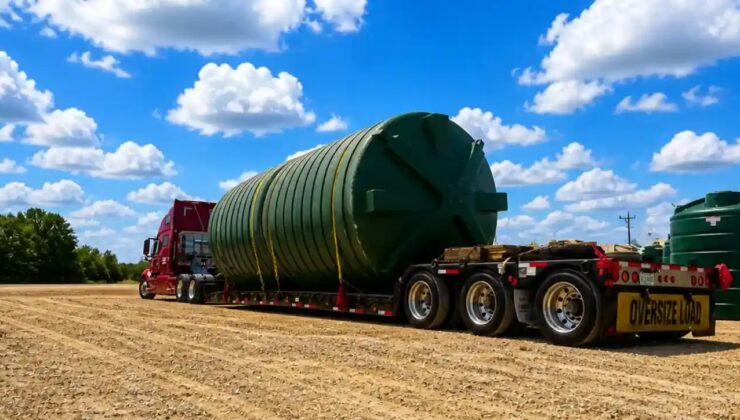
You have the truck, the trailer, and a heavy-duty engine. That’s the easy part. Many fleet managers make the mistake of thinking heavy haul is just standard freight with more horsepower. The truth? If your logistics plan isn’t as robust as your equipment, you’re not hauling—you’re just gambling.
Route Engineering: The Real Heavy Lifting
Moving massive industrial equipment isn’t about raw torque; it’s about route geometry. Before the load moves an inch, you have to engineer the path.
Standard logistics software might suggest a route, but it won’t account for the reality of heavy haul. You’re dealing with bridge weight ratings, overhead clearance, and turning radii that are invisible on a standard GPS. If you encounter a bridge that can’t support your axle weight or a utility line too low for your height, you’re not just looking at a detour—you’re looking at a multi-day shutdown. True heavy haul logistics means verifying every mile of the route against the specific dimensions and weight of your cargo.
The Compliance Web
Your equipment is only as good as your paperwork. In the heavy haul world, the road is governed by a complex web of state, county, and municipal regulations.
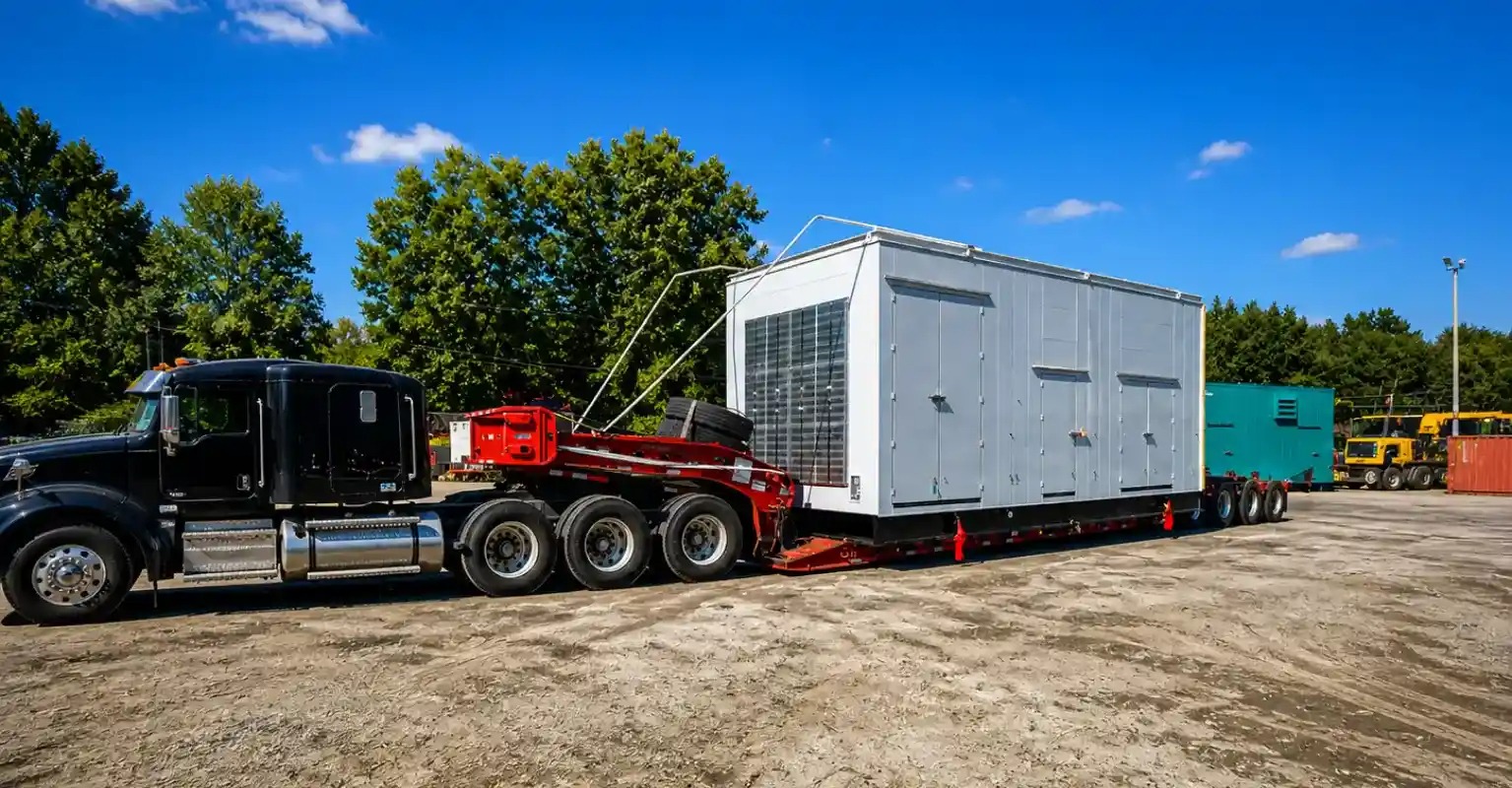 You need more than just a permit; you need the right one, specifically tailored to your cargo’s exact footprint. Securing an oversize permit is a high-stakes administrative task. Every jurisdiction has different rules regarding:
- Daylight-only travel windows.
- Mandatory pilot car configurations.
- Specialized lane restrictions.
- Required safety signage and lighting.
One mismatched detail—even a slight error in your axle weight declaration—can trigger an immediate impoundment, massive fines, and a project delay that ripples through your entire delivery schedule.
Precision Over Power
Heavy haul logistics is won in the details. It is a game of managing variables that standard freight operators never face. It requires:
- Agile Planning: Having the ability to pivot your route in real-time when road closures or weather events strike.
- Operational Sync: Aligning pilot cars, police escorts, and utility crews with your actual speed and arrival times.
- Data Integrity: Ensuring your weight distribution matches the requirements of every single bridge you cross.
Don’t Let Paperwork Ground Your Fleet
Most heavy haul failures don’t happen on the road; they happen at the desk. A single expired permit or a missing line item in your paperwork can strand a multi-million-dollar load at the county line for days.
This is why top-tier logistics teams view administrative expertise as a core operational asset. You cannot afford to guess. When you are moving critical industrial infrastructure, the engine gets the load moving, but the logistics team ensures it actually arrives. If your documentation isn’t as heavy-duty as your truck, you’re setting yourself up for a failure that no amount of horsepower can fix.