
Moving Into a Small Apartment: How to Downsize Without the Stress
Moving into a smaller space is rarely just a logistical challenge. It’s a mental one too. You’re not just figuring out where the furniture goes – you’re renegotiating your relationship with your stuff, your habits, and your sense of what home feels like. That part can be surprisingly emotional, even when the move is entirely your choice.
The practical side, though, is very manageable. Here’s how to approach a downsizing move without turning it into a weeks-long ordeal.
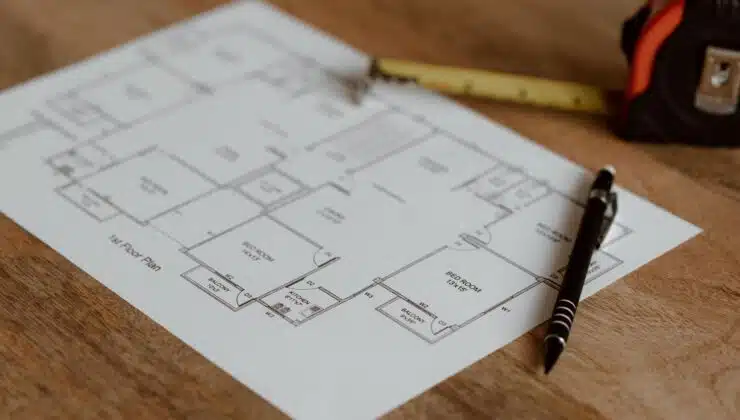
The single most useful thing you can do before a small-apartment move is get your hands on the floor plan – or at least accurate dimensions of each room. Measure your key furniture pieces and compare them to the new space before you decide what’s coming with you.
A couch that seats four may not make sense in a 350-square-foot studio. A king bed might technically fit in the bedroom but leave no walking room. A dining table for six has no business in a space that only has room for two. Finding this out before moving day means you can sell or donate things in advance, rather than discovering on the day that the couch you just paid to move won’t go through the door.
Prioritize Vertical Space
Small apartments punish people who think horizontally. If you’re used to spreading things out – wide bookshelves, long consoles, sprawling coffee tables – you’ll need to shift your thinking. Vertical storage is your best friend in a smaller space.
Tall bookshelves, wall-mounted shelving, hooks behind doors, beds with drawers underneath – these don’t change the square footage, but they dramatically change how usable the space feels. Decide before you move which pieces serve this purpose and which ones will just eat floor space.
Downsize Your Belongings First, Then Move
Most people pack everything, move it, and then try to figure out what to do with it in the new place. In a small apartment, that approach turns unpacking into a two-week puzzle with no clean solution.
The better sequence: decide what fits, get rid of what doesn’t, then move. It’s more work upfront but significantly less chaos on the other end. Be particularly ruthless with duplicates – two sets of everything when you’re living in a small space becomes clutter fast.
Multi-Purpose Furniture Is Worth the Investment
A move into a smaller apartment is often the right time to upgrade one or two furniture pieces to ones that work harder. A storage ottoman replaces both a coffee table and a storage unit. A bed with built-in drawers eliminates the need for a separate dresser. A fold-out dining table serves two people daily and eight people occasionally.
You don’t need to replace everything. Pick the two or three pieces that would do the most work in the new space and prioritize those. The cost is usually offset by what you save on storage solutions after the move.
Think About What You’re Gaining
It’s easy to focus on what you’re giving up in a downsizing move – space, storage, the extra room. But smaller apartments also come with real advantages that are worth keeping in mind.
Lower rent or mortgage payments freeing up money for other things
Less to clean, less to maintain, and less visual clutter to manage mentally
Often better locations – smaller apartments tend to be in more central neighborhoods
Forced intentionality about what you own and what you actually need
That last one sounds abstract, but people who’ve made the move to a smaller space often say it’s one of the things they appreciated most. When every item has to earn its place, you stop accumulating things that don’t serve you.
Moving Day in a Small Building
Small apartment buildings come with their own moving-day logistics. Narrow hallways, no freight elevator, limited parking for a moving truck, neighbors who’d prefer you weren’t blocking the entrance all day – these are real considerations.
Talk to your building management before moving day. Find out if there are designated moving hours, elevator reservations, or parking restrictions. Many buildings have rules about this that nobody mentions until someone violates them.
A smaller space usually means a shorter moving day, which is one genuine upside. Fewer rooms and less furniture means the crew works faster, and you’re typically settled before dark.
Making It Feel Like Home Faster
Small spaces feel cluttered easily, but they also feel cozy and personal with relatively little effort. Unpack intentionally rather than just getting things off the floor – where something lives in a small apartment matters more than in a larger one because there’s less room to correct a bad decision.
Give yourself a week before buying anything new for the space. You’ll quickly see what’s actually missing versus what you just assumed you’d need.
If you’re planning a downsizing move and want a crew that works efficiently in tight spaces, visit website to get a clear quote and talk through the details of your move.