
10 Best European Destinations to Visit This Summer
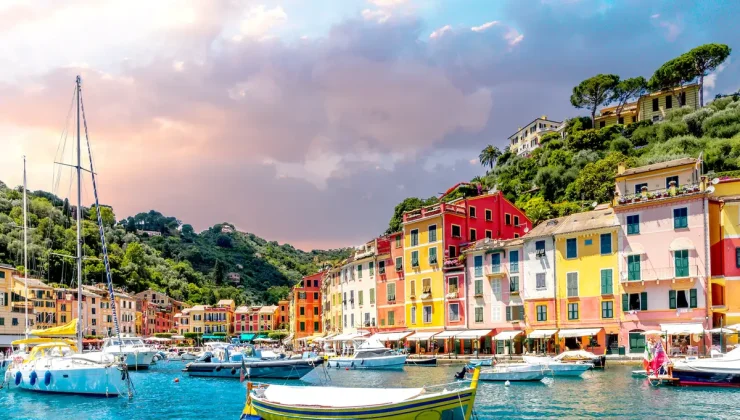
Planning a summer trip to Europe and not sure where to go? You are not alone. Every year, millions of travelers search for the best European destinations to visit in summer, and the options feel endless. From white-sand beaches in Spain to ancient walled cities in Croatia, Europe delivers something different at every turn.
This guide breaks down the 10 best places to visit in Europe this summer, covering what makes each destination worth your time, the best things to do, and what to expect in terms of weather and crowds. Whether you are planning a beach holiday, a city break, or a mix of both, you will find your answer here.
Use the trip1.com to find destination-specific hotel picks, local tips, and itinerary ideas for every place on this list.
1. Ibiza, Spain
Ibiza is one of the most searched summer destinations in Europe, and for good reason. The island offers far more than its famous nightlife reputation. Ibiza has some of the most beautiful beaches in the Mediterranean, a UNESCO-listed old town, and crystal-clear water that rivals anywhere in the world.
Best beaches in Ibiza: Cala Comte, Cala Bassa, Ses Salines, Cala d’Hort, and Benirras are consistently ranked among the island’s top spots. Each has a completely different character, from laidback coves to social beach clubs with DJs and sunbeds.
Best time to visit: June is ideal for fewer crowds and lower prices. July and August bring peak energy but also peak everything else. If nightlife is the goal, August is unmissable. If beaches and relaxation are the priority, June or early September are the smarter picks.
What to do: Explore Ibiza Old Town (Dalt Vila) in the morning, spend afternoons at the beach, and use evenings for the island’s legendary bar and club scene. Day trips to neighboring Formentera are easy and absolutely worth it.
The trip1 Ibiza travel guide covers the 5 best beaches and the 10 best nightclubs with addresses, local tips, and transport options.
2. Dubrovnik, Croatia
Dubrovnik is regularly ranked among the most beautiful cities in Europe, and its summer atmosphere is hard to match. The old city walls, the Adriatic sea glittering below, the terracotta rooftops at sunset: it delivers every single time.
Best things to do in Dubrovnik: Walk the full city walls (get there early before the heat and crowds build), take a cable car up Mount Srd for panoramic views, swim at Banje Beach, and explore the Stradun main street at golden hour. Day trips to Lokrum Island and the Elaphiti Islands are popular additions.
Crowds and timing: Dubrovnik is one of the most visited cities in Europe and manages visitor numbers carefully. Morning walks and evening strolls are significantly better than midday. Book accommodation well in advance for July and August.
Getting there: Dubrovnik Airport (DBV) has direct flights from most major European cities.
The trip1 Dubrovnik travel guide covers the 10 best things to do with local insights on timing and access.
3. Split, Croatia
Split sits about 150 miles northwest of Dubrovnik and offers a more local, less-polished version of the Croatian coastal experience. The city is built around Diocletian’s Palace, a remarkably preserved Roman structure from the 4th century that people actually live and work inside.
Best things to do in Split: Walk through the palace district, visit the Peristyle square, hike up Marjan Hill for views over the city and islands, and use Split as a base for island-hopping to Hvar, Brac, and Vis.
Why Split beats Dubrovnik for some travelers: It is less crowded, more affordable, has better transport connections to nearby islands, and feels like a real city with a local population rather than a tourist set piece.
Summer vibe: Split’s Riva promenade is at its liveliest in summer. Cafes spill onto the waterfront, evenings are warm, and the ferry terminal connects you to some of the best islands in the Adriatic.
The trip1 Split travel guide covers 12 top things to do with hotel picks across different budgets.
4. Santorini, Greece
Santorini is one of the most iconic destinations in Europe and one of the most searched summer travel keywords globally. The white-washed villages perched on volcanic cliffs above a deep blue caldera have made it a bucket-list destination for decades.
Best things to do in Santorini: Watch sunset from Oia (book a spot early), explore Fira and Firostefani on foot, visit the volcanic black sand beaches of Perissa and Perivolos, and take a boat tour to the volcano and hot springs.
Honest assessment: Santorini is genuinely stunning and worth the visit. It is also genuinely expensive and busy in peak summer. Staying in Imerovigli or Firostefani instead of Oia gives you similar views with less congestion and better value.
Best time to go: Late June or September offer good weather with smaller crowds than July and August. The island is extremely popular with honeymooners and couples but works equally well for solo travelers and small groups.
5. Barcelona, Spain
Barcelona is one of Europe’s great cities and its beach position gives it a dual identity that few other major European cities can match. You get world-class architecture, food, nightlife, and a Mediterranean beach all in one place.
Best things to do in Barcelona: Visit the Sagrada Familia (book timed entry well in advance), explore Park Guell, walk Las Ramblas and the Gothic Quarter, and spend time at Barceloneta beach. The Boqueria market is worth a visit for food lovers.
Summer in Barcelona: Temperatures average 25 to 28 degrees Celsius, making it one of the more comfortable major cities in southern Europe during summer. The Primavera Sound music festival and Sonar electronic music festival both take place in June, adding to the city’s summer calendar.
Neighborhood tip: The Gracia and El Born neighborhoods offer a more local summer experience away from the main tourist drag, with excellent restaurants and outdoor bars.
6. Kotor, Montenegro
Kotor is one of Europe’s most underrated summer destinations and is quickly gaining ground as travelers look beyond Croatia’s more crowded coastline. The old town is a UNESCO World Heritage Site surrounded by medieval walls and backed by dramatic mountains that drop straight into the Bay of Kotor.
Best things to do in Kotor: Hike up to Kotor Fortress for views over the bay, explore the medieval streets of the old town, visit Perast and the island of Our Lady of the Rocks by boat, and day trip to Tivat for beach clubs and a completely different atmosphere.
Why Kotor this summer: Montenegro is still relatively affordable compared to Croatia, the scenery is spectacular, and the summer crowds are manageable if you visit outside of peak August. It is the kind of destination that regular European travelers mention quietly and enthusiastically.
Getting there: Tivat Airport (TIV) and Podgorica Airport (TGD) both serve international routes, with Tivat being the closer and more convenient option for the Bay of Kotor area.
The trip1 Kotor travel guide covers the 10 top things to do with hotel options in the old town and surrounding bay area.
7. Hvar, Croatia
Hvar Island is consistently ranked as one of the sunniest places in Europe, with over 2,700 hours of sunshine per year. It combines a beautiful old town, lavender fields, excellent restaurants, and a well-developed tourist infrastructure that makes it easy to navigate as a first-time visitor.
Best things to do in Hvar: Visit Hvar Town and the fortress above it, take a boat to the Pakleni Islands for swimming in clear water, explore the lavender fields inland, and enjoy the island’s reputation for good food and cocktail bars.
Hvar vs. other Croatian islands: Hvar is more developed and more expensive than Vis or Brac, but it offers the best overall package for travelers who want beaches, history, nightlife, and day trips in one place.
Getting there: Ferries run from Split to Hvar Town and to Stari Grad, with journey times of 50 minutes to 2 hours depending on the route.
The trip1 Hvar travel guide covers 10 top things to do with local insights on getting around the island.
8. Algarve, Portugal
The Algarve is southern Portugal’s most famous region and one of the top summer destinations in Europe for beach holidays. Its dramatic golden cliffs, turquoise water, and long stretches of sand set it apart from Mediterranean beach destinations and give it a distinctly Atlantic character.
Best beaches in Algarve: Praia da Marinha, Praia de Benagil (famous for its sea cave), Meia Praia near Lagos, and the beaches around Sagres in the western cape are consistently rated among the finest in Europe.
Best areas to base yourself: Lagos and Tavira offer the best balance of beach access, old town atmosphere, and restaurants. Albufeira is larger and more developed, better suited for those who want entertainment and nightlife alongside beach time.
Summer weather: The Algarve is typically sunny and warm from June through September with temperatures of 25 to 30 degrees Celsius. The Atlantic brings refreshing sea breezes that make it more comfortable than the southern Mediterranean in peak heat.
The trip1 Algarve travel guide covers 10 top places to visit across the region.
9. Athens and Greek Islands
Athens is often treated as a stopover rather than a destination, but the city deserves at least two to three days before island-hopping. The Acropolis, the Plaka neighborhood, and the rooftop bar scene with Parthenon views are genuinely impressive.
From Athens, the best summer island options include:
- Rhodes: Medieval old town, excellent beaches, strong infrastructure. The trip1 Rhodes travel guide covers the 10 best things to do on the island.
- Corfu: Lush and green with Venetian architecture, good for families and couples. The trip1 Corfu travel guide covers 10 top places to visit.
- Santorini and Mykonos: More expensive and more crowded but iconic for good reason.
Island-hopping tip: Ferry routes connect most Greek islands and booking in advance during summer is essential. Blue Star Ferries and SeaJets cover the main routes.
10. Seville, Spain
Seville is the most architecturally stunning city in Spain and one of the most impressive in all of Europe. The Real Alcazar, the Plaza de Espana, the Giralda tower, and the Barrio Santa Cruz neighborhood together create a cultural density that rivals any city on the continent.
Best things to do in Seville: Visit the Real Alcazar (book tickets in advance), climb the Giralda for views over the city, walk through Santa Cruz at dusk, catch a flamenco performance, and take a river cruise on the Guadalquivir.
Summer heat warning: Seville is one of the hottest cities in Europe in summer, regularly exceeding 38 degrees Celsius in July and August. Plan outdoor sightseeing for early morning and late evening. Afternoons belong to cool restaurants, the Alcazar’s shaded gardens, and air-conditioned museums.
Why it is still worth summer: The city is at its most alive in summer, with outdoor tapas bars, late evenings, flamenco everywhere, and a pace of life that justifies the heat.
How to Plan Your European Summer Trip
Once you have chosen your destination, the practical planning matters. A few things worth doing early:
Book accommodation in advance. Popular destinations like Dubrovnik, Santorini, and Ibiza sell out months ahead for July and August. June and September have more availability but still reward early booking.
Research transport connections. Ferries to Croatian and Greek islands fill up. Book tickets as soon as your dates are confirmed, not when you arrive.
Layer your itinerary. Two or three nights per destination is usually better than one. Europe rewards staying long enough to get below the surface of a place.
For destination-specific guides covering hotels, local tips, and top things to do across all of these destinations, visit the trip1 travel guides.
Frequently Asked Questions
What is the best European destination for a summer beach holiday? Ibiza, Santorini, Hvar, and the Algarve are consistently among the top-rated European beach destinations in summer. Ibiza and Hvar offer the best combination of beaches and nightlife. Santorini is ideal for couples and scenery. The Algarve suits families and those who prefer Atlantic conditions.
Which European destinations are best for summer 2026? Based on search trends and traveler demand, the most popular European summer destinations in 2026 include Ibiza, Dubrovnik, Split, Santorini, and Barcelona. Montenegro’s Kotor Bay is gaining fast as a lower-cost, less-crowded alternative to Croatia.
What is the best time to visit Europe in summer? June is generally the best month for most European summer destinations. Prices are lower than July and August, crowds are manageable, and the weather is excellent across the Mediterranean and Adriatic. Late August and September offer similar conditions with slightly fewer tourists.
Which European summer destination is best for solo travelers? Barcelona, Split, and Athens are excellent solo travel destinations due to their transport links, social atmosphere, and easy navigation. Ibiza and Hvar are popular for solo travelers looking for a beach and nightlife experience.
What is the cheapest European destination to visit in summer? Montenegro, including Kotor and the Bay of Kotor area, is one of the most affordable coastal summer destinations in Europe. Albania and North Macedonia are also gaining attention as budget-friendly options. Among more established destinations, Portugal’s Algarve tends to offer better value than equivalent Spanish or Greek coastal areas.
Do I need to book attractions in advance for summer Europe trips? Yes, for major attractions. The Sagrada Familia in Barcelona, the Alhambra in Granada, and Kotor Fortress all benefit from advance booking to avoid long queues. Dubrovnik city walls are best visited early morning to avoid midday crowds. Greek island ferries and Croatian island ferries should also be booked ahead in July and August.
Which European destinations are best for families in summer? The Algarve in Portugal, Corfu in Greece, and Split in Croatia are consistently rated among the best European summer destinations for families. They offer calm beaches, good infrastructure, family-friendly accommodation, and a range of activities for different ages.
How many days do I need for each destination? Most summer destinations on this list work well with three to four nights. Ibiza, Hvar, and Santorini can be done in three nights for a focused beach break. Dubrovnik, Barcelona, and Seville benefit from four to five days if you want to explore properly. Kotor and Split are ideal as three-night stops within a wider Adriatic itinerary.