Waterfront Construction in Houston, Texas – Key Factors Property Owners Must Know
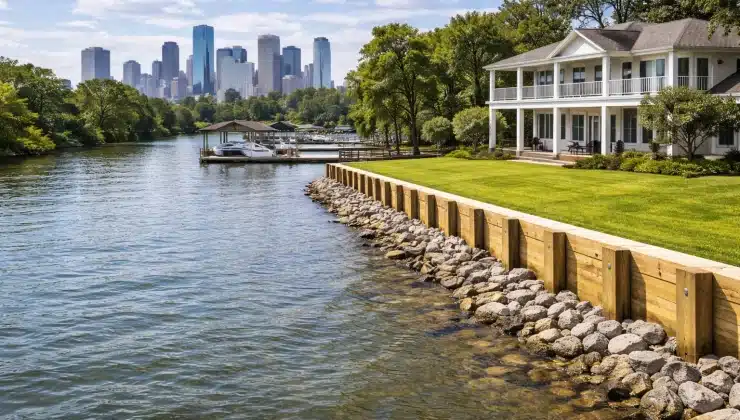
Waterfront Construction in Houston, Texas – Key Factors Property Owners Must KnowWaterfront construction in Houston, Texas requires a completely different approach compared to standard building projects. Properties located along bayous, lakes, canals, and coastal waterways are constantly influenced by water movement, soil instability, and seasonal changes. These factors make shoreline construction more complex and demand solutions that are specifically designed for the environment.
Before starting any waterfront project, it is important to understand how local conditions affect construction decisions. A detailed overview of available services and project types can be found on the page waterfront building services in Houston, Texas, where different solutions are explained based on actual site conditions in the Houston area.
Why Houston waterfront construction is unique
Houston is not a single-type waterfront market. The region combines several different water environments, each of which behaves differently and requires specific construction methods.
- Bayous – act as drainage systems with sudden water level changes during heavy rain
- Lakes – experience seasonal fluctuations and gradual shoreline erosion
- Bays – affected by tides, waves, and saltwater exposure
- Canals – impacted by boat traffic and continuous water circulation
This variety means that solutions used in one location may not work effectively in another.
Main types of waterfront construction projects
Waterfront construction in Houston includes both protective and functional structures designed to improve usability and prevent long-term damage.
- Bulkheads – stabilize shoreline and prevent soil erosion
- Seawalls – protect against wave impact and water pressure
- Piers – provide direct access to the water
- Docks – support boat use and waterfront activities
- Boardwalks – improve movement along the shoreline
- Piling systems – form structural support for waterfront installations
Key factors that affect construction decisions
Choosing the right solution depends on multiple site-specific factors. Ignoring these conditions often leads to ineffective construction and higher costs in the future.
- Water behavior – wave intensity, flow speed, and level changes
- Soil composition – determines how stable the shoreline is
- Erosion level – shows how much the shoreline has already been affected
- Property layout – influences design and structure placement
- Project purpose – protection, access, or structural improvement
Differences between bayou and coastal projects
One of the most important distinctions in Houston is the difference between bayou-based construction and coastal or lakefront projects. Bayous are designed for water drainage and can experience rapid water flow during storms. This requires solutions focused on soil stabilization rather than wave resistance.
In contrast, coastal and bayfront properties must deal with continuous wave impact and, in some cases, saltwater exposure. These conditions require stronger and more durable structures designed for long-term resistance.
Common problems in Houston waterfront projects
Many property owners encounter issues because they underestimate the complexity of waterfront construction. These mistakes can reduce the effectiveness of the project and lead to additional expenses.
- Using standard construction methods not designed for waterfront conditions
- Ignoring soil stability and drainage requirements
- Choosing materials without considering water exposure
- Delaying construction until erosion becomes severe
How to plan a successful waterfront project
Proper planning is the key to long-term performance and stability. A structured approach helps avoid common issues and ensures the right solution is selected.
- Identify the type of water body connected to the property
- Evaluate shoreline condition and erosion level
- Determine the main goal of the project
- Select appropriate construction methods and materials
- Plan for long-term maintenance and performance
Long-term benefits of proper waterfront construction
When the right approach is used, waterfront construction provides more than just protection. It also improves the overall value and usability of the property.
- Prevents further shoreline erosion
- Maintains property boundaries
- Improves safety and accessibility
- Enhances property value and appearance
Final thoughts
Waterfront construction in Houston, Texas requires a site-specific approach based on real environmental conditions. Each shoreline behaves differently, and the most effective solution is the one that matches those conditions. Proper planning and the right construction method ensure long-term stability, protection, and usability of the waterfront property.