
Leaking Gutters? 3 Simple Fixes and When to Replace
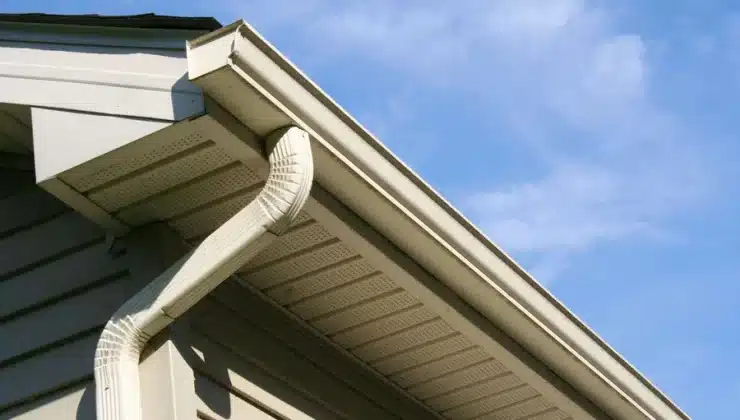
Rainwater spilling over your roofline is not just an annoyance; it is a clear warning sign. If you have noticed leaking gutters around your home, you are likely wondering whether a quick patch-up will do the trick or if you need a completely new system. A properly functioning gutter system is your home’s first line of defense against water damage, making timely repairs absolutely essential.
In this comprehensive guide, we will walk you through what causes these frustrating leaks, share three simple fixes you can tackle yourself, and explain exactly when it is time to stop repairing and start replacing your gutters.
Why Are My Gutters Leaking? Common Causes and Signs
Homeowners often ask, “why are my gutters leaking?” The answer usually comes down to a few common culprits. Over time, constant weather exposure, debris buildup, and natural wear and tear take their toll on even the most durable materials.
Common Causes of Leaks
- Clogs and Debris Build-Up: Leaves, twigs, and dirt can block water flow, causing it to pool and eventually overflow or seep through minor cracks.
- Sagging or Improper Pitch: Gutters need a slight downward slope toward the downspout. If they sag, water sits stagnant, adding weight and straining the system.
- Failing Sealant: If you have sectional gutters, the sealant connecting the pieces degrades over time, leading to gutters leaking at joints.
- Corrosion and Rust: Older metal gutters are prone to rusting, which eventually eats through the material and creates holes.
Signs You Have a Leak
Catching a leak early can save you from costly repairs. Keep an eye out for:
- Water pouring or dripping over the edges during a rainstorm.
- Peeling paint or rotting wood on your home’s siding or fascia boards.
- Unexplained puddles or muddy trenches forming near your foundation.
- Visible watermarks or streaks on the underside of the gutter channels.
3 Simple Fixes for Leaking Gutters
If the damage is minor, you might be able to handle the repairs yourself. Here is how to fix leaking gutters using three straightforward methods.
1. Clear Clogs and Adjust the Pitch
Often, what looks like a severe leak is simply an overflow caused by a blockage. Start by safely using a ladder to clean out any leaves, pine needles, or debris. Once the channel is clear, run water from a hose through the system. If the water pools instead of flowing toward the downspout, your gutters are improperly pitched. You can usually fix this by gently bending the hangers or replacing bent brackets to restore the correct downward angle.
2. Fix Leaking Gutter Seams
Sectional gutters are notorious for dripping where two pieces meet. To fix leaking gutter seams, wait for a dry day. Clean the joint thoroughly with a wire brush to remove old sealant, dirt, and rust. Wipe the area clean with rubbing alcohol, let it dry completely, and apply a generous bead of high-quality waterproof gutter sealant. Smooth it out with a putty knife to ensure a watertight bond.
3. Patch Small Holes
If you spot a small puncture or rust hole, a standard rain gutter repair patch will do the job. First, clean and sand the area around the hole. Cut a piece of metal flashing slightly larger than the hole, apply roofing cement or gutter sealant around the edges, and press the patch firmly over the damage. Cover the top of the patch with another layer of sealant to ensure water flows smoothly over it.
DIY vs. Professional Leaking Gutter Repair
Not every gutter problem should be a weekend DIY project. Knowing your limits is crucial for your safety and the integrity of your home.
When a DIY Fix May Work
- The leak is isolated to one or two easily accessible spots.
- The issue is a simple clog or a minor hole that can be patched with sealant.
- You have a single-story home and are comfortable safely operating a ladder.
When Professional Repair is the Better Option
- The leaks are widespread across the entire system.
- You have a multi-story home, or the gutters are located on a steep, dangerous roofline.
- The fascia board behind the gutters appears rotted or soft, requiring structural carpentry work.
- You need extensive leaking gutter repair that involves replacing large sections of the channel.
When to Replace Gutters: Key Signs It’s Time for an Upgrade
There comes a point when constantly patching leaks is a waste of time and money. Knowing when to replace gutters can save your home’s foundation and siding from irreversible damage. Look for these undeniable gutter replacement signs:
- Extensive Cracking or Splitting: Small holes can be patched, but long cracks or splits compromise the structural integrity of the channel.
- Severe Rust and Corrosion: If the metal is thinning and flaking away across multiple sections, patches will not hold for long.
- Pulling Away from the Roof: If your gutters are constantly pulling away from the fascia board despite installing new hangers, the fascia may be rotting, or the gutters may be warped beyond repair.
- Sagging and Misshapen Channels: Gutters that resemble a rollercoaster rather than a straight line will never drain properly.
- Constant Repairs: If you find yourself performing gutter leak repair after every major storm, it is time to replace damaged gutters entirely.
The Hidden Risks of Ignoring Leaking Gutters
Ignoring a small drip might not seem like a big deal, but water is relentless. Over time, unaddressed leaks can lead to severe consequences:
- Foundation Damage: Water pooling at the base of your home can erode the soil, leading to foundation cracks and basement flooding.
- Fascia and Soffit Rot: Water backing up behind the gutter will quickly rot the wooden boards holding the system in place.
- Landscape Erosion: Heavy dripping can wash away mulch, drown plants, and destroy your carefully curated landscaping.
Essential Gutter Maintenance Tips to Prevent Future Leaks
The best way to deal with leaks is to stop them before they start. Incorporate these basic gutter maintenance tips into your seasonal home care routine:
- Clean Twice a Year: Clear out debris in the late spring and late fall.
- Trim Overhanging Branches: Keep trees trimmed back to reduce the amount of leaves falling onto your roof.
- Install Gutter Guards: High-quality leaf guards can significantly reduce debris buildup and keep water flowing freely.
- Perform Seasonal Inspections: Walk around your home during a heavy downpour to visually check for overflows or unexpected drips.
Expert Solutions with Southwest Seamless Rain Gutters
When minor fixes are no longer enough, or if you simply want the peace of mind that comes with a professionally handled job, turning to a trusted local expert makes all the difference. Southwest Seamless Rain Gutters provides reliable, high-quality solutions for homeowners dealing with persistent leaks, weather damage, and aging systems.
Whether you need a thorough inspection, honest repair guidance, or a complete seamless gutter replacement, their experienced team ensures your home stays protected year-round. By upgrading to a custom-fit seamless system, you eliminate the fragile joints where most leaks occur, giving your home superior protection without the constant maintenance headache.
Final Advice for Homeowners
Dealing with leaking gutters can be frustrating, but ignoring the problem will only lead to more expensive property damage down the road. By understanding the common causes, keeping up with regular maintenance, and knowing how to handle simple DIY fixes, you can extend the life of your system. However, when the damage is extensive, do not hesitate to invest in a full replacement. Protecting your home’s foundation and exterior is always worth the investment.