
Everything You Need To Know About Dental Veneers
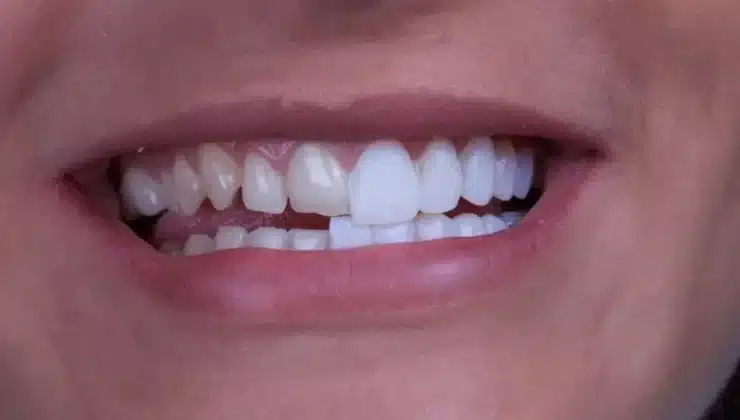
Dentistry worldwide has made great strides in the advancement and development of new and innovative treatments to combat dental diseases and improve their aesthetics. Each year, more and more people want to have healthy and perfect teeth because looking good plays an important role in all aspects of daily life.
Dental veneers are one of the most innovative and widely used cosmetic treatments in recent years. Here you can learn everything you need to know about how this treatment has changed the lives of millions of people.
What are dental veneers?
Dental veneers are thin shells that act as caps to correct imperfections in natural teeth, such as color, size, irregular shapes, gaps between teeth (diastemas), fractures, wear, stains, and others. This treatment is quite popular, especially among people who work in film, television, and modeling, as it allows them to have a perfect smile and, in a way, avoid social and professional disadvantages in that world.
We know of the Dentakay dental clinic, located in Turkey. This is one of the most specialized clinics, boasting not only the best professionals but also the necessary technology to perform this procedure with the utmost confidence and reliability. Furthermore, it is well-known for its excellent prices and quality compared to hundreds of dental clinics throughout Europe.
What types of material are veneers made of?
There are several types of materials such as: ceramic, composite or resin and zirconium.
- Ceramics:These are the most recognized and sought-after type of veneer material by professionals because they are exceptionally durable and achieve a natural appearance when bonded to the natural tooth surface. They are also well-known for their longevity, provided the person maintains good oral hygiene and care. Their resistance to wear and tear over time has made them an ideal option for most patients. These veneers are custom-made in a laboratory for each individual patient.
- Composite resin:This type of material is a slightly more affordable option for people with average resources who are also looking for a much faster solution to improve the aesthetics of their teeth. These are molded to the teeth and then sculpted to achieve a perfect result. Over time, they may stain or need a touch-up, but they are a much more economical solution compared to ceramic veneers.
- Zirconium:This is undoubtedly the best material for natural and long-lasting veneers. Zirconia is a type of ceramic that is much more transparent and can better mimic the natural appearance of teeth compared to the other two types of materials. It is an extremely durable and resistant option, but also expensive, so it is not affordable for all budgets.
Advantages and disadvantages of dental veneers
Advantages:
- One of the main advantages of dental veneers is that they are suitable for people who consume a lot of coffee or smoke cigarettes, as this type of material is resistant to stains.
- It greatly helps to quickly fix problems such as crooked teeth, gaps between teeth or diastema, fractures or broken teeth, among others. While it doesn’t completely solve these problems, the veneer, acting as a cover, helps to camouflage them, allowing you to achieve an aesthetically beautiful smile.
- It helps protect teeth that have problems with enamel erosion or abrasion, and also helps the patient regain their self-esteem and confidence and be able to function better in social or work environments because they have a beautiful smile.
Disadvantages:
- Their high price can be one of the biggest disadvantages for a patient who does not have sufficient resources, although composite veneers can be useful since they are affordable, as they tend to be less resistant to staining and over time they can lose their shine and darken.
- In the case of ceramic veneers, these do not allow for adjustments once placed; there is no way they can be modified, and in these cases, it can present a problem because if the patient is not satisfied, reversing the procedure is quite difficult.