
Boosting Efficiency and Torque with Advanced Diesel Engine Performance Upgrades
Recognizing Stock Diesel Engine Limitations
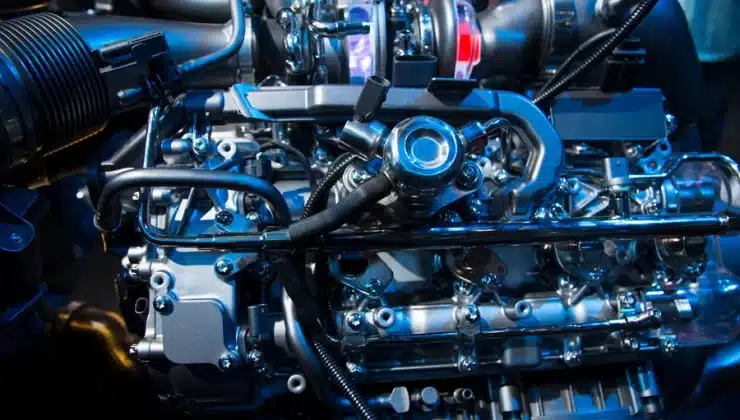
Factory diesel engines are conservative by design. They are built to meet emissions standards, survive warranty periods, and tolerate abuse from inattentive owners. That means compromises: noticeable turbo lag, restrictive intake paths, and fuel systems tuned for adequacy rather than brilliance. When airflow is choked and fuel delivery constrained, torque potential is strangled. Targeted upgrades can free this hidden performance, but recklessness will kill an engine faster than any stock bottleneck. The smart builder extracts more power while keeping components within safe stress limits. Precision beats brute force every time.
Turbocharger Upgrades That Deliver Noticeable Torque
A bigger turbo can turn a sluggish spool into a sharp punch of torque, especially if the compressor wheel is sized right for the engine’s displacement. Twin-scroll options separate exhaust pulses for faster spinning and more efficient boost at low RPM. Ball-bearing cores spin with less friction and can handle rapid throttle changes, while journal-bearing turbos offer lower initial cost but slower response. More boost means higher intake temperatures, and that demands serious heat control. It also requires someone who actually knows how to tune the map rather than just cranking up pressure. Good turbos are not cheap, and cheap turbos are not good.
Fuel System Enhancements: Injectors and High-Pressure Pumps
Upgraded injectors don’t just dump more fuel—they atomize it more precisely, creating cleaner, faster combustion. This tight spray pattern translates into usable torque across the rev range. High-pressure fuel pumps replace factory units that often plateau under greater demand, delivering steadier flow and pressure curves. Without professional calibration, these parts can turn your efficient burn into a smoky mess. The calibrator’s job is to make sure fuel quantity, timing, and pressure align with the turbo’s behavior. Ignore that, and you’re just pouring money down the exhaust pipe.
Aftermarket Exhaust Setups for Peak Diesel Performance
Freeing exhaust flow is not about being loud—it’s about letting the turbo breathe. Larger downpipes and high-flow catalytic converters slash resistance before gases ever hit the turbine wheel. Free-flow mufflers help maintain velocity for proper scavenging. Reduced backpressure directly improves spool characteristics and keeps boost stable. Heat shielding protects sensitive components from thermal soak, while stainless or Inconel construction offers a longer lifespan under punishing conditions. Choosing the wrong material is inviting corrosion and early failure.
Drivetrain Reinforcements to Handle Extra Power
That newfound torque will shred a weak drivetrain. Upgrading clutches, torque converters, and driveshafts keeps the power flowing without mechanical drama. U-joints built for higher loads prevent sudden breakages that leave you stranded. Strengthened differentials handle sudden surges without snapping gears. Every component upstream of the wheels needs to be matched to the torque the engine now produces. Overlooking one link turns the whole chain fragile and unreliable.
Preventative Measures for Sustained Diesel Performance
Even the strongest build will fail without disciplined maintenance. Use premium oil and change it before it degrades. Fuel filters and air filters deserve the same proactive replacement schedule. Check the coolant system often and keep intercoolers clean to prevent heat soak robbing power. Install monitors for boost levels, exhaust gas temperatures, and fuel pressure so problems are caught in their infancy. Data saves engines.
Integrating Top “diesel performance parts” Seamlessly
First, know what fits your engine and what doesn’t before spending a cent. Source from reputable suppliers and avoid bargain-bin temptations. Sequence your installations so each upgrade builds on the last instead of creating tuning chaos. When sourcing diesel performance parts, verify dimensions, connection points, and operating specs match your existing hardware. Work closely with a tuner who thinks beyond peak numbers and ensures every part plays nicely together. Compatibility and mapping are the difference between a responsive, dependable build and a temperamental, self-destructing one.
Setting Realistic Power Benchmarks
Torque dreams need mechanical reality checks. Aim for gains that your block and transmission can physically sustain. Ten to twenty percent increases keep stress in the safe zone. Pushing forty percent or more demands serious internal reinforcements and impeccable tuning. Chasing dyno glory without a structural plan is asking for catastrophic failure. Respect the limits that keep your diesel on the road instead of in pieces.
Balancing Horsepower with Longevity
Extreme output is a fast track to worn bearings and fatigued metals. A conservative tune will give a daily driver dependable grunt without chewing through components. Aggressive mapping is best reserved for rigs that live short, intense lives on the track or trail. Building in stages allows you to validate gains and spot weaknesses before they become disasters. Let the dyno confirm each step, not guesswork.
Final Thoughts on Sustainable Diesel Upgrades
Upgrading a diesel is a targeted strike, not a spray-and-pray mission. Select components with proven synergy, install with precision, and tune for balanced performance. Intelligent planning is cheaper than repairing blown hardware. Stay informed, seek out proven builders, and never confuse internet noise with real expertise. In diesel performance, discipline outlasts recklessness every time.