
Mountain Biking Guide in Peru: Trails, Tips & Top Destinations
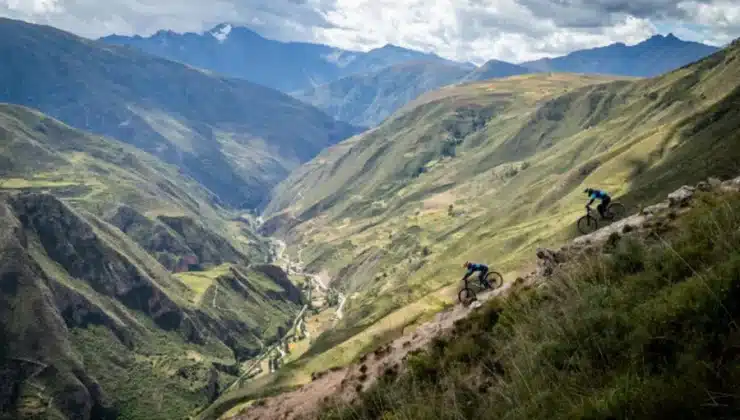
Peru is emerging as one of the most exciting destinations for mountain biking in South America. The Peruvian Andes offer something that few places in the world can match: ancestral trails built by the Incas more than 500 years ago, known as “qhapaq ñan” (the great road), combined with epic descents exceeding 4,265 feet (1,300 meters) in elevation.
Cusco, located at 11,152 feet (3,399 meters) above sea level, and the Sacred Valley (Vilcanota-Urubamba Valley) have become the epicenter of mountain biking in the region. This is not an ordinary adventure: here you pedal over the same terrain that once connected Incan cities, you pass through communities that still speak Quechua, and you descend mountains with direct views of ancient glaciers.
Why is Mountain Biking in Peru Unique?
The Andes mountain range is the second highest mountain chain in the world after the Himalayas. Pedaling here means experiencing radical ecosystem changes within a matter of hours. For example, you can start in puna zones (high altitude grasslands) at over 13,000 feet (4,000 meters), descend through Incan agricultural terraces still in use today, and finish in cloud forest zones with tropical climates.
Why Choose Peru for Mountain Biking?
Peru’s unmatched geographical diversity sets it apart as a mountain biking destination. The country offers:
- Varied trails for beginners to professionals
- Mild weather in many regions throughout the year
- Stunning natural scenery and historical landmarks
- Adventure tourism infrastructure with guided tours and rentals
Additionally, Peru’s rich cultural heritage provides opportunities to combine outdoor thrills with meaningful exploration. Riders can discover remote villages, interact with Andean communities, and witness landscapes that change dramatically within just a few kilometers.
The Most Iconic Mountain Bike Routes in Cusco
Lamay
Lamay is one of the most iconic routes in the Sacred Valley. It begins in the high Andes, at over 13,123 feet (4,000 meters) in altitude, and descends to the small town of Lamay, surrounded by agricultural terraces and the sound of the Vilcanota River. Along the way, you cross ancient Incan roads, potato fields, and communities where time seems to have stood still. The feeling of descending through clouds and mountains makes this experience unforgettable even for those getting on a bike in Cusco for the first time.
Perolniyoc and “The Other Side”
This route combines the best of the high Andean landscape with one of the most impressive waterfalls in the valley: Perolniyoc. You start from cold and windy areas at nearly 12,467 feet (3,800 meters), and gradually descend along paths that connect agricultural communities and natural viewpoints. The mix of altitude, history, and the sound of water falling over rocks turns the journey into a living postcard of the Andes.
Yuncaypata and Huayllarcocha
Just a few minutes from the historic center, this route is ideal for those who want to experience nature without going too far away. The trails pass through eucalyptus forests, gentle hills, and viewpoints from which you can see all of Cusco city. It’s a perfect ride for beginners, travelers looking for a half-day plan, and those who want to breathe fresh air before continuing their journey to the valley.
La Máxima and Urquillos
The Sacred Valley holds routes where speed and scenery meet. In this experience, the paths are wide, the views open up between mountains, and the air smells of corn and damp earth. The route connects traditional towns and agricultural terraces, with a flowing rhythm that allows you to enjoy without rushing. You don’t need to be an expert to feel the energy of the place: it’s enough to let yourself be carried by the movement and look around.
Maras Downhill
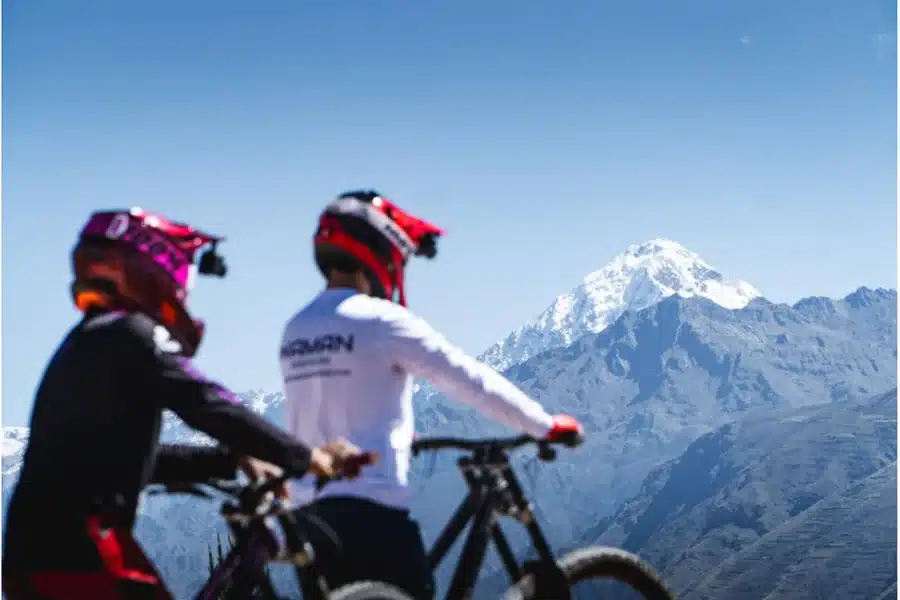
Maras is one of the most photogenic areas of Cusco. From the high altitude towns, you descend toward the cultivated fields and the famous Maras salt flats, where thousands of white pools reflect the sunlight. The route offers a panoramic view of the valley and nearby snow-capped peaks, and allows you to stop at archaeological sites or artisan workshops. It’s a route that mixes history, nature, and a constant feeling of freedom.
Lomo Fino & El Brujo
This route combines adrenaline and rural landscapes. Throughout the journey, you cross hills, small farms, and towns where life passes calmly. It’s a full-day itinerary designed for those who want to move, explore, and experience everyday life outside the traditional tourist circuit. The view of Cusco from the heights, the cold air, and the contrast between countryside and city make every minute worthwhile.
How to Prepare for Altitude
Altitude is key to making your biking adventure in the Andes successful. In Cusco, you are at over 9,843 feet (3,000 meters), which means your body receives less oxygen than usual. If you don’t rest when you arrive or make a strong effort immediately, altitude sickness can appear and complicate the trip.
Common symptoms include persistent headaches, dizziness or nausea, extreme fatigue, difficulty sleeping, or loss of appetite.
To acclimatize properly, try to ascend gradually, drink plenty of fluids, avoid intense activity the first few days, and allow your body to adapt.
Local agencies offer full suspension bikes, certified bilingual guides, and support vehicles with mechanics. There are routes for beginners, intermediates, and experts, all with the same goal: to enjoy mountain biking in the Andes with safety, respect, and authenticity.
Essential List for Your Adventure
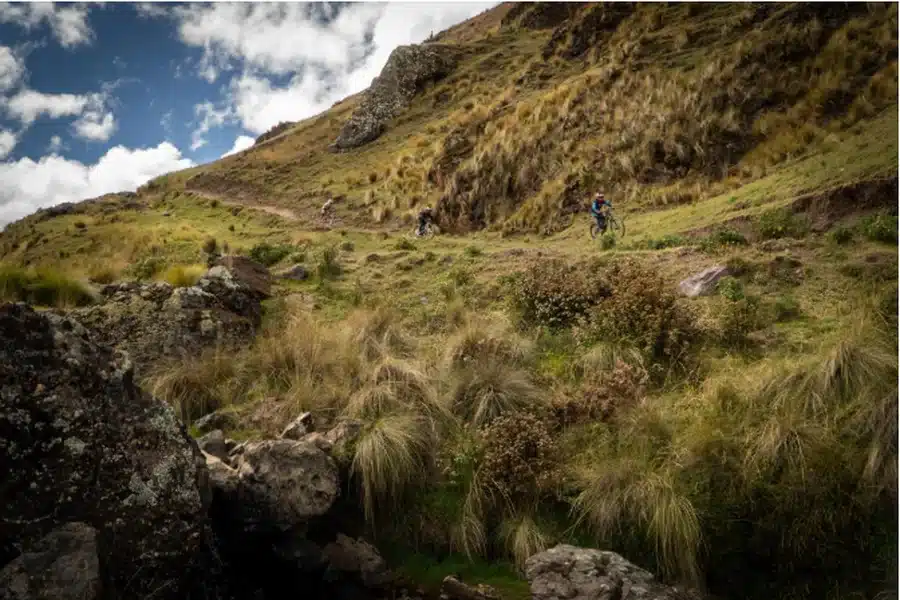
Bring layered clothing: mornings can be cold at 41°F (5°C) and midday warm at 68°F (20°C). A waterproof jacket is essential even when it’s not raining. Use broad spectrum sunscreen, sunglasses, and lip balm with SPF. Stay hydrated: at least 2 liters daily and bring snacks for the road. If you rent a bike with an agency, make sure it includes a certified helmet, gloves, mechanical support, and a bilingual guide.
Best Time to Go and Practical Safety
The best time to ride is from May to October: dry weather, firm trails, clear skies. In contrast, from November to April there is more rain, the terrain becomes muddy and requires more caution. Book in advance during high season. And most importantly: always go with a local guide. Andean trails can be complex, phone signal disappears, and a wrong decision can be costly. Respect the communities you pass through: slow down near animals, ask permission before photographing, and use cash in soles when buying in towns.
Your Andean Adventure Awaits
Mountain biking in Peru invites you to live an experience that unites nature, history, and authenticity. In the Andes, the roads preserve the footprint of ancient peoples who still maintain their traditions. Each pedal stroke brings you closer to immense mountains, agricultural terraces, and communities where time keeps its own rhythm.
As you travel these trails, you’ll discover landscapes that need no artifice: glaciers reflected in lagoons, crops that change color with the season, and the simple greeting of those who inhabit these heights.
At Peru Biking Tours, we have spent more than a decade guiding travelers from around the world through these routes. Our local team knows every stretch, every climate, and every story that forms part of the journey.