
Understanding iPad Charger Safety Features and Certifications
Using a safe charger for your iPad safeguards both the device and the user against potential threats. A poor-quality charger can cause overheating, battery damage, and even fires. As mobile technology evolves, so do the hazards connected with low-quality accessories. This makes it critical to understand what safety features to look for and which certifications are relevant. Not all chargers fulfill the stringent standards required to securely power your iPad. This blog identifies major protection technologies, explains critical certifications, and provides advice on how to choose and use chargers properly, allowing you to charge with confidence without jeopardizing the longevity of your device or your own safety.
What Safety Features Should a Quality Charger Have?
Over-Voltage, Over-Current, and Short-Circuit Protection
Reliable iPad chargers include built-in safety that prevents electrical problems before they cause harm. Over-voltage protection stops the charger from supplying too much electricity, which might harm your iPad’s battery or internal circuitry. Over-current prevention turns off charging when the current exceeds safe limits, lowering the danger of overheating or swelling. Short-circuit protection turns off power if an electrical fault develops, preventing fires or device damage. These three elements combine to provide the first line of protection against electrical difficulties, making them essential components of any high-quality charger for iPads and other mobile gadgets.
Temperature Control and Automatic Shutdown Systems
A smart charger actively monitors heat levels while in use to avoid thermal harm. Temperature management technology regulates power delivery in real time to maintain internal components within safe temperature ranges. If the temperature rises too high due to external circumstances or extended charging, the system either reduces the charge rate or turns off the current completely. Automatic shutdown systems go a step further by totally turning off electricity when a significant failure is identified. These safeguards not only protect the charger and iPad, but also limit the possibility of a fire. Always make sure your charger has active temperature management for safer charging sessions.
Build Quality, Insulation, and Connector Safety
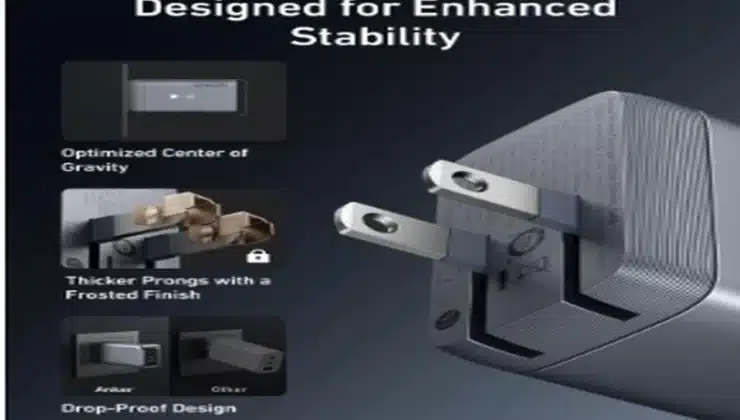
The physical structure of a charger is critical to overall safety. High-quality chargers employ flame-retardant case materials, robust internal insulation, and well-secured components to prevent electric shock and short-circuiting. Connectors should be tight, corrosion-resistant, and designed to prevent inadvertent disconnects or sparks. Poor construction quality frequently results in exposed wires, fractured housings, and loose ports, all of which can be dangerous. Always scrutinize the charger’s materials and quality, and avoid goods that are weak or cheaply built. A well-built charger offers solid connections while reducing the dangers associated with wear, breakage, and environmental stress.
Which Safety Certifications Are Most Important?
Global Electrical Standards
Global electrical standards provide international norms for charger safety. The International Electrotechnical Commission (IEC) and Underwriters Laboratories (UL) provide methods for assessing the safety of electrical devices, such as voltage control, insulation strength, and fire resistance. Chargers that satisfy IEC or UL standards have been thoroughly tested and are less likely to fail or cause injury. These certifications demonstrate that a charger operates securely under both normal and fault situations. When considering a charger, look for compatibility with international standards. These symbols indicate that the item satisfies rigorous safety standards, regardless of its origin.
Regional Marks Like CE, FCC, and ETL
Regional safety certifications verify a charger’s legal compliance in certain markets in addition to international standards. Compliance with health and safety regulations is guaranteed by the CE mark (European Union). The device’s ability to reduce electromagnetic interference is confirmed by its FCC certification (United States), which is crucial for avoiding interference with other gadgets. For the United States and Canada as well, ETL denotes electrical safety testing conducted by a lab accredited by OSHA. Usually, the charger’s body or container has these markings. Their existence indicates that the charger has been authorized for sale after passing local safety inspections. In the absence of these certificates, using a charger might be risky or even prohibited.
How to Choose and Use a Safe Charger
Selecting Certified and Reputable Brands
Begin with well-known brands that value quality and responsibility. Established brands such as Anker routinely fulfill industry standards and stand behind their products with warranties and customer support. Check for authentic safety certificates on both the package and the product. Avoid chargers with generic branding or suspiciously cheap pricing, as they frequently lack safety measures to save money. If you’re unsure, look at customer reviews for instances of overheating or failure. A respected brand invests in safety testing and compliance to provide peace of mind with each charge. Choosing approved items from reputable producers assures consistent and safe functioning.
Matching Charger Output to Your Device’s Needs
Using a charger for ipad with the wrong power output can shorten your iPad’s battery life or damage internal components. iPads often demand higher wattage chargers—usually 20W or more—to enable quick, safe charging. Check your device’s specs and compare them to the charger’s output, which is given on the label as volts (V) and amps (A). A charger with inadequate output may overheat or provide a poor charge, whereas one with high output may damage older devices. Many chargers use clever IC chips to manage power automatically, although compatibility is still critical. Always use chargers designed exclusively for your iPad model.
Safe Charging Practices for Daily Use
Safe behaviors help to extend the life of your charger and iPad. Avoid charging your device on soft surfaces, such as mattresses or sofas, where heat cannot escape. Unplug the charger when not in use to avoid phantom loads and decrease wear. Never use broken cables or chargers with ragged wires, and keep them in a cold, dry area. Avoid leaving your iPad charging overnight on a frequent basis, since this might harm the battery over time. Keep the charging port clean and debris-free to ensure a solid connection. These easy techniques guarantee that your charger operates securely and effectively every day.
Conclusion
Understanding iPad charger safety extends beyond avoiding cheap knockoffs. It is about understanding the critical features—such as voltage protection, temperature management, and long-lasting construction—that avoid accidents and damage. Reliable chargers also have trustworthy certifications such as UL, CE, and FCC, indicating that they have undergone rigorous testing. Choosing reliable brands and matching power output to your device are equally crucial as using chargers correctly. With the correct knowledge, you can make better decisions, safeguard your investment, and avoid dangers in everyday use. A solid charger does more than simply power your iPad; it protects your device, data, and peace of mind.