
Senior-Friendly Living: Smart Upgrades for Comfort and Safety
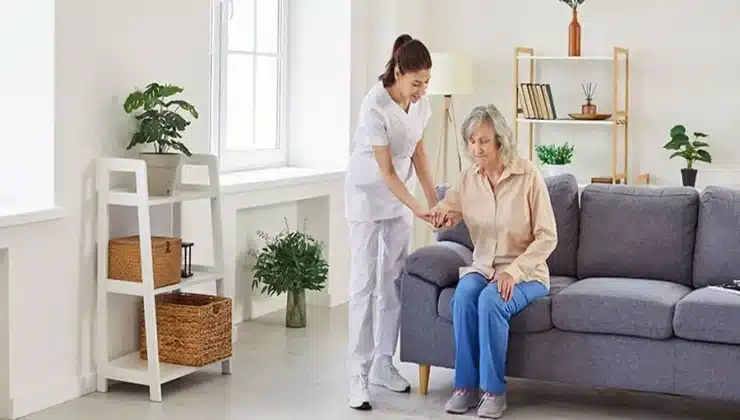
As we age, our homes need to evolve alongside us. What once worked perfectly may no longer meet the demands of comfort, accessibility, and safety. Senior-friendly living isn’t just about making a home easier to navigate—it’s about fostering independence, peace of mind, and a higher quality of life. Thoughtful upgrades can transform a house into a haven that supports seniors’ well-being while maintaining style and functionality. Here’s a guide to smart home improvements that prioritize both comfort and safety.
Prioritize Accessibility
Accessibility is the cornerstone of a senior-friendly home. Small adjustments can make a significant difference in daily life. Installing ramps in place of stairs, widening doorways, and ensuring hallways are free of obstacles are essential steps. For seniors using wheelchairs or walkers, these upgrades are not luxuries—they are necessities. Even simple changes, like lever-style door handles, can reduce strain and make opening doors effortless.
Upgrade Bathrooms for Safety
Bathrooms are one of the most hazardous areas for seniors due to the risk of slips and falls. Adding grab bars near the toilet and inside the shower or bathtub provides support and stability. Non-slip flooring or mats are essential to prevent accidents, and a walk-in shower with a low threshold or seat can make bathing safer and more comfortable. Anti-scald faucets are another smart addition, protecting against burns from hot water—a practical upgrade that combines safety with peace of mind.
Improve Lighting Throughout the Home
Proper lighting is critical for seniors, as vision tends to weaken with age. Bright, evenly distributed lighting can prevent trips and falls while making everyday tasks easier. Consider adding motion-sensor lights in hallways, staircases, and bathrooms to ensure safe navigation at night. Task lighting in kitchens and reading areas can also reduce eye strain, enhancing comfort and functionality.
Enhance Mobility Within the Home
Enhancing mobility starts with thoughtful home design and strategic furniture placement. Simple changes, such as removing loose rugs, arranging furniture to create clear walkways, and adding handrails along stairs, can make daily movement safer. For multi-level homes, investing in a stairlift or a home elevator—such as those available for residences in Salt Lake City, UT—can provide effortless, secure access to every floor, minimizing the risk of falls. Even minor adjustments, like lowering shelves and cabinets, help reduce bending or stretching, further promoting safety and independence.
Invest in Smart Home Technology
Smart home devices can be game-changers for senior living. Voice-activated assistants can help with reminders, controlling lights, and managing appliances without needing to move around the house. Smart thermostats maintain comfortable temperatures automatically, while security systems and cameras provide peace of mind for both residents and their families. Automated medication dispensers are another valuable addition, helping seniors stay on track with their health routines.
Focus on Kitchen Safety and Ease
The kitchen is another area where safety upgrades can improve daily life. Slip-resistant flooring, easy-to-reach shelves, and pull-out cabinets minimize strain and prevent accidents. Stove safety features, like automatic shut-off systems, can prevent fires, while single-lever faucets simplify water control. Even simple tools like jar openers, lightweight cookware, and ergonomic utensils can make cooking easier and more enjoyable.
Create Comfortable Living Spaces
Comfort is just as important as safety. Invest in supportive seating, adjustable beds, and furniture designed for ease of use. Ensure that frequently used items are within reach to reduce strain, and incorporate cozy elements like soft lighting, rugs, and cushions to make spaces welcoming. A comfortable home encourages relaxation, reduces stress, and promotes overall well-being.
Outdoor Considerations
A senior-friendly home extends beyond the front door. Well-maintained pathways, non-slip outdoor surfaces, and proper lighting make gardens and patios safer to navigate. Raised garden beds can allow seniors to enjoy outdoor activities without bending or kneeling excessively. Even simple additions like handrails on steps or seating areas along walkways can make outdoor spaces more accessible and enjoyable.
In Conclusion
Senior-friendly living is about more than convenience—it’s about creating a home that supports independence, reduces risks, and enhances quality of life. From accessible entrances and bathrooms to smart technology and safe outdoor spaces, thoughtful upgrades can transform a home into a sanctuary. By prioritizing comfort and safety, seniors can continue to enjoy their homes fully, with confidence and peace of mind.
Making these upgrades doesn’t mean sacrificing style. With the right planning, a senior-friendly home can be both functional and aesthetically pleasing. Investing in these improvements today ensures a safer, more comfortable, and more enjoyable tomorrow for seniors and their families. After all, a home should be a place of comfort and security at every stage of life.