
6 Common Uses For Roof Racks On Jeeps
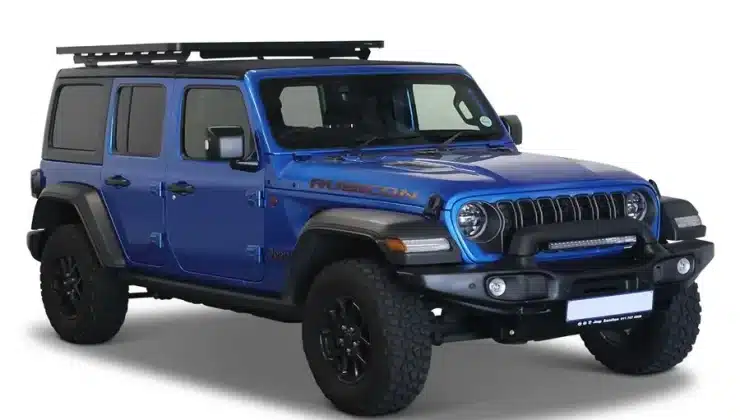
You purchased a Jeep Wrangler because it was built for more than pavement. It’s designed for a trail that leads out of the world, for a weekend without signal, and for adventures most cars would dare not take part in.
However, all Jeep owners eventually face an issue. The inside spaces fill up quickly. Gear is a competitor with passengers. Equipment used to recover a vehicle consumes floor space.
The more you experience, the more you need your Jeep to have besides its “capability” — it needs “capacity”.
Every trip, the Jeep’s roof stays unused. That’s lost real estate space that could be holding all the things that won’t fit down below.
That all changes with a roof rack. The possibilities have uses far beyond mere storage.
This article lists six of the most popular and practical applications of roof racks for Jeep owners and how they enhance your adventures.
1. Overlanding and Expedition Storage
The crux of any Jeep roof rack application is expedition use, and that is where a good roof rack system really shines.
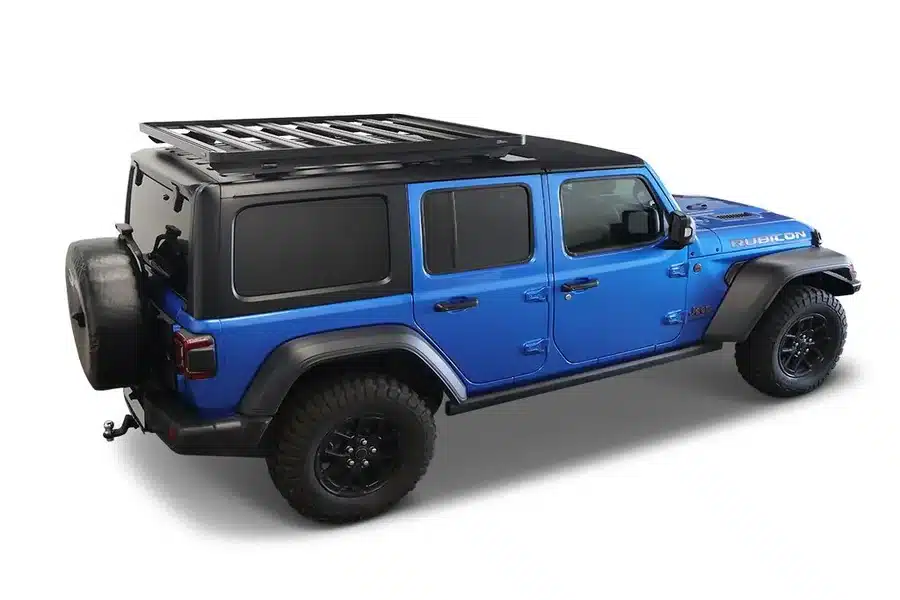
A Jeep JL roof rack is a specialized storage rack designed specifically for overlanding. Water containers, storage boxes, fuel canisters, cooking gear, and recovery equipment are transferred to the roof, allowing the entire interior space to be used for passengers and comfort.
Moreover, Slimline II rack systems are designed to support heavy loads without compromising the vehicle’s performance on rough roads. Super-strong and lightweight, they’re built to be ridden for long days under the most extreme conditions.
2. Rooftop Tent Camping
Off-road trips with ground tents come with some restrictions. Ground camping is not a comfortable experience, and the uneven pavement, mud, moisture and bugs make it very cumbersome to camp when you’ve been on the road for a while.
A rooftop tent affixed to your Jeep’s roof rack will put an end to that. It can be deployed within minutes. It raises the bed to the full floor level. And it turns your Jeep into a self-contained mobile campsite where you park!
In addition, sleeping bags, pads, and tent pieces permanently rest on the top of the tent, freeing up space within to carry all the other tenting supplies. Your cargo area remains neat and easy to access during the journey.
Furthermore, a tent on the roof is handy wherever ground camping isn’t possible.
3. Carrying Bikes and Water Sports Gear
The consistent challenge for every active Jeep owner. Of course, mountain bikes, kayaks, paddle boards and surfboards will not fit in the cabin, but they don’t get more capable than an adventure vehicle anyway?
A roof rack provides the solution here without any compromise. A pro fork mount bike holder holds mountain bikes right on the rack, leaving the entire interior space for passengers and equipment. Kayak and paddleboard carriers are a safe option for transporting water sports equipment at highway speeds and rough access drives.
In addition, a ratcheting spade and paddle mount ensures that outdoor equipment stays attached to the rack, off the ground, right at hand, and ready when needed on the trail.
- Off-Road Lighting Mounting
Drivin’ “off-road” at night requires more than stock headlights can offer. Adequate lighting for forward and side lights is necessary when walking unlit trails, remote tracks, and technical terrain at night, as this can be a real safety hazard.
To mount off-road lighting, you need the perfect elevated platform, and a roof rack is just that. The rack-mounted LED flood lights provide wide, strong lighting over the entire field of view in front, much wider than the field of vision provided by factory lights.
In addition, windshield spot light brackets provide focused forward lighting at a lower elevation, complementing roof-mounted lights, and remove blind spots, which create hazardous situations on technical trails.
Furthermore, the power point on a roof rack provides 12V electrical access to the rack. The lights, cameras, and other accessories are free of shy cables within the cabin.
5. Recovery Gear and Trail Tool Storage
No matter what kind of trail you are on, if it is off-road, you will need to be self-sufficient. The farther out of town you travel, the more important it is to have the proper recovery gear — and to have it on hand when you need it.
A roof rack provides clear, exterior mounting locations for every essential recovery and trail device. Traction boards and recovery straps attach directly to the exterior of the rack, with recovery device and gear-holding side brackets; they are always in your reach, never under other equipment.
In addition, the spare wheel clamp mounts your spare tire to the rack outside so you can carry extra equipment in your vehicle and retrieve the spare at a critical time without having to unload the vehicle.
6. Interior Organization Through Molle Panels and Cargo Systems
A roof rack isn’t just for storage above. It can transform the way you store things in your Jeep, from making it more organized to more functional and capable of handling complex gear loads.
The Molle system is a modular attachment for small panels that mounts to the freedom top, tailgate, and rear window areas of the Jeep. Each has a specific location. There’s no skidding when running on a bumpy road.
Moreover, cargo racks and cargo slides within the vehicle also arrange the cargo space. A cargo slide allows all heavy equipment, such as fridges, tool boxes, recovery equipment, and loads, to be accessed from the tailgate without having to climb into or out of the truck.
Plus, there’s an upper cabin interior shelf that provides a structured space for storing items when not in use — extending storage and giving easy access to the most-used items as you drive.
Final Thoughts
The only modification that opens the door to all the other mods in your Jeep Wrangler is a roof rack.
Once a quality rack is installed, things like Expedition storage, Rooftop tent camping, transport of sports gear, off-road lighting, recovery gear, and interior setup become not only possible but practical.
Regardless of your trip, a well-equipped Jeep roof rack means you’ll be ready, organized, and prepared for the trail ahead.